

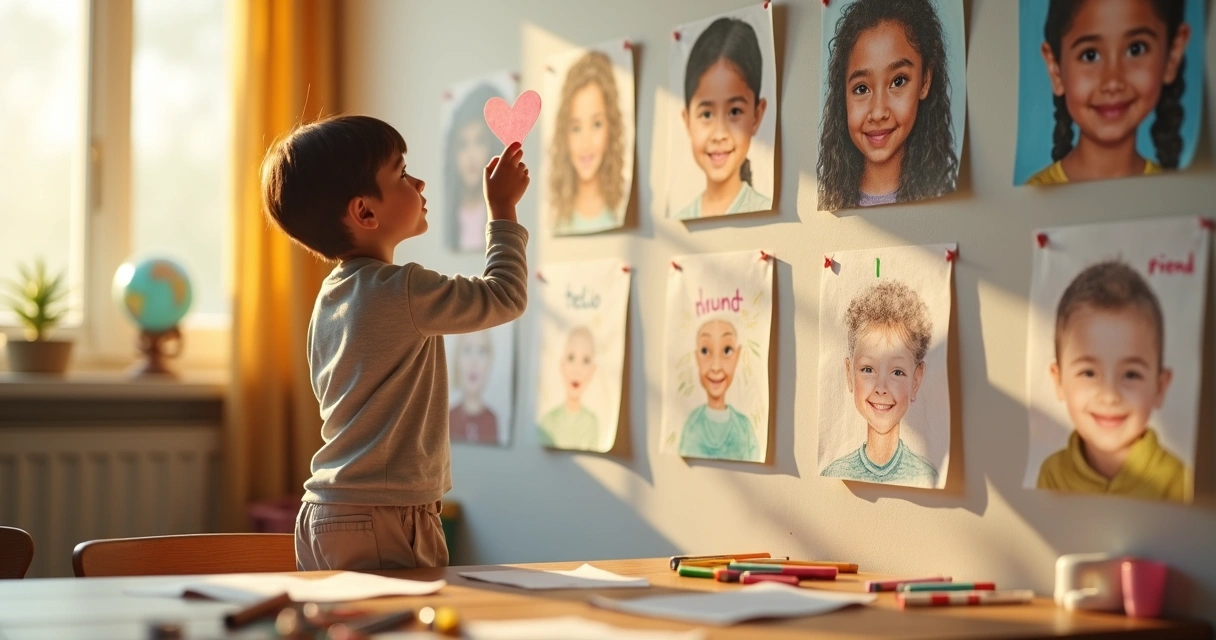
We often say we want children to respect everyone. That sounds good. But cross-cultural empathy asks for more than polite words. It asks children to notice, feel, and respond to people whose habits, languages, beliefs, and emotions may be different from their own.
Cross-cultural empathy grows when children learn that difference is not a threat, but part of human life.
In our experience, many adults want to teach this well, yet still fall into habits that block real understanding. Sometimes we rush. Sometimes we simplify too much. Sometimes we confuse good manners with empathy. The result is a child who can repeat the right phrases, but does not know how to connect with real people.
We have seen this in ordinary moments. A child asks why a classmate eats different food. The adult quickly says, “We are all the same.” The intention is kind. Still, the child’s real question stays untouched. A chance for growth passes by.
Mistake 1: Treating all cultures as one story
One common mistake is speaking about whole groups as if everyone in them thinks, feels, and lives the same way. Children hear this fast. If we say, “They are like this,” children may begin to expect fixed behavior from entire communities.
That is not empathy. It is flattening people into categories.
We can do better by teaching two truths at once:
Culture shapes experience.
Each person is still an individual.
Shared background does not erase personal differences.
When children learn this balance, they become more curious and less judgmental. They stop assuming, and they start asking.
Mistake 2: Waiting too long to start
Some adults think children are too young for these lessons. We disagree. Young children already notice difference. They notice skin tone, language, clothing, holidays, tone of voice, and family patterns. If adults stay silent, children still form ideas, just without guidance.
Children begin learning empathy early, so adults should begin early too.
Research linked in a study from Brigham Young University on teaching children empathy points out that children as young as 18 months can absorb parental teaching about empathy. That should make us pause. Early moments matter more than many adults think.
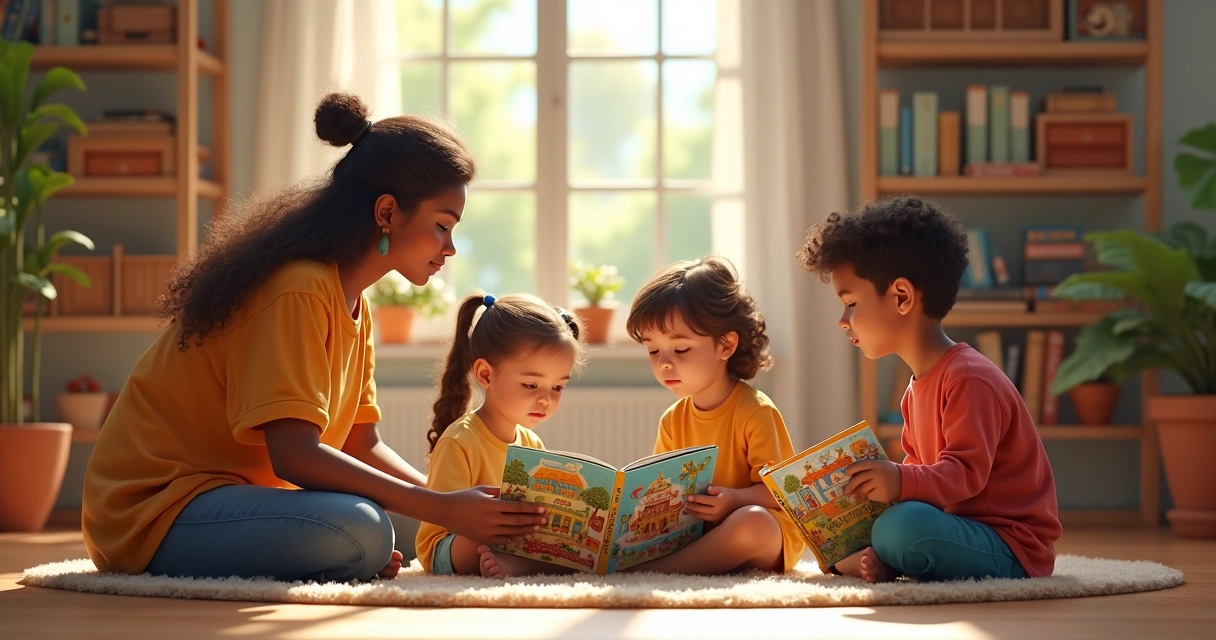
This does not mean giving long lectures to toddlers. It means simple habits. Naming feelings. Noticing fairness. Speaking respectfully about people who live differently. Reading stories with many kinds of families. Small acts. Big effect.
Mistake 3: Teaching kindness without teaching curiosity
Kindness matters. But kindness alone can stay shallow. A child may learn to “be nice” while still feeling uneasy, confused, or superior around people from other backgrounds.
Empathy needs curiosity. It grows when we invite children to wonder:
What matters in that family?
Why might they do things that way?
How would we feel in their place?
We think curiosity lowers fear. It gives children a path into understanding instead of avoidance. A short, honest conversation often teaches more than a perfect slogan.
Curiosity opens the door.
Mistake 4: Ignoring how culture shapes emotion
Adults sometimes teach empathy as if emotions look the same everywhere. They do not always. Facial expression, eye contact, silence, excitement, and personal space can carry different meanings across cultures.
A child who does not know this may misread others. They may think a quiet child is cold, or an expressive child is rude. That is where confusion begins.
Evidence from a study in the journal Emotion about preschool children across cultures shows that cultural differences can affect how children attend to emotional faces. This tells us something simple but powerful: children do not only learn emotion from biology. They also learn it from the social world around them.
So when we teach empathy, we should include emotional style. We can say, “Some people show feelings loudly. Some show them softly. Both can be real.” That helps children read others with more care.
Mistake 5: Confusing performance with real empathy
Many adults praise the child who says the correct thing. But words can become a performance. A child may learn which answer gets approval without truly feeling concern or perspective.
This mistake appears in schools and homes. We ask children to repeat rules, but we do not always help them process what another person may feel, fear, or need.
Research discussed in work on common pitfalls in social-emotional learning warns that adults often fail to distinguish affective empathy from cognitive empathy. In simple terms, children need both heart and understanding. Feeling for someone is not the same as grasping their experience. Both parts matter.
Real empathy is more than saying the right words. It is feeling with care and thinking with perspective.
We can support this by asking better questions. Not “What should you say?” but “What do you think that child felt?” and “What would help now?”
Mistake 6: Failing to model it in daily life
Children watch us more than they listen to us. If we speak about respect but mock accents, dismiss customs, or show impatience with unfamiliar ways, children absorb that contradiction.
We have all had moments like this. A rushed comment in traffic. A joke at dinner. A quick judgment in a store. Children notice. Even when we think they do not.
Guidance from Michigan State University Extension on teaching children empathy explains that empathy is the base of human relationships and that parents and caregivers play a central role through active involvement and modeling.
This means our tone matters. Our reactions matter. Our willingness to listen matters. If we want children to respect other ways of being, we must practice that respect in front of them, especially when difference feels inconvenient.

Mistake 7: Sending mixed messages about what matters
Some adults say empathy matters, yet reward status, winning, and similarity more than care. Children hear the speech, but they follow the value system they actually see.
This gap is real. Harvard’s Making Caring Common project for families has shown that many children do not get the message that caring for others is a top priority, even when parents believe they are teaching it.
That finding can be uncomfortable. Still, it helps us ask honest questions:
Do we praise children more for achievement than for compassion?
Do we speak with warmth about people unlike us?
Do we make room for listening when difference creates tension?
When children see that care truly matters, empathy becomes part of character, not just behavior.
Conclusion
Cross-cultural empathy is not taught in one talk, one book, or one school event. It grows through repeated moments of attention. It deepens when we stop simplifying people, stop delaying hard conversations, and stop treating empathy like a script.
We think the best teaching is steady and human. We notice. We listen. We correct ourselves. We let children see that understanding another person takes patience.
When adults teach with humility, children learn that respect is active, thoughtful, and real.
If we avoid these seven mistakes, we give children more than manners. We give them a wider moral vision, and that can shape every relationship they build.
Frequently asked questions
What is cross-cultural empathy in children?
Cross-cultural empathy in children is the ability to understand and care about the feelings, views, and lived experience of people from backgrounds different from their own. It includes respect, curiosity, and the skill to notice that culture can shape how people speak, feel, and relate.
How to teach kids cross-cultural empathy?
We can teach it through daily habits. Read stories with varied characters, talk openly about difference, name emotions, ask thoughtful questions, and model respectful behavior. Children learn best when adults connect empathy to real life, not only to rules.
What mistakes should adults avoid teaching empathy?
Adults should avoid stereotyping groups, waiting too long to begin, rewarding only polite language, ignoring cultural differences in emotion, failing to model empathy, and sending mixed messages about whether care for others truly matters.
Why is cross-cultural empathy important for kids?
It helps children build healthier relationships, reduce fear of difference, and respond with more fairness and understanding. It also prepares them to live in diverse communities where emotional maturity and mutual respect affect everyone.
How can I improve my teaching approach?
Start by observing your own habits. Listen more carefully, answer children’s questions without shame, and create regular moments for reflection. Keep your language respectful, your examples broad, and your expectations consistent. Small changes in adult behavior often lead to strong growth in children.