
We live in a time of endless alerts. A headline appears, then another, then a reaction to the reaction. Many of us open our phones for one update and leave with a tense body, scattered attention, and a mood we did not have ten minutes earlier.
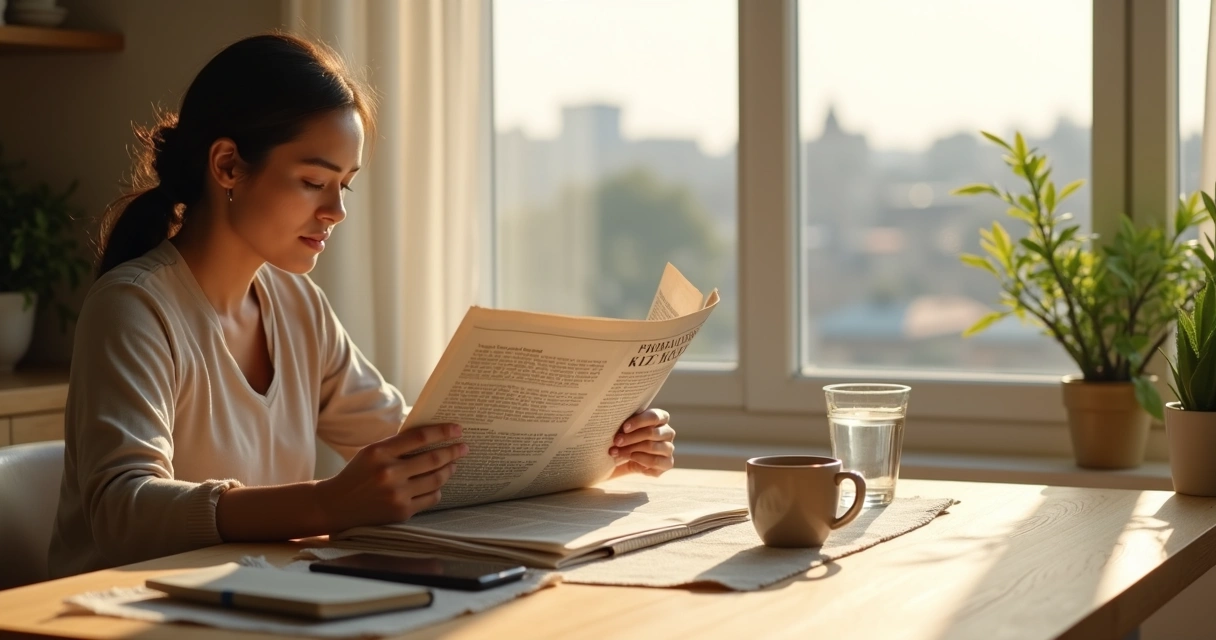
Slow news consumption means choosing rhythm, depth, and limits instead of constant exposure.
We think this shift matters because news does not affect only what we know. It shapes how we feel, how we relate to others, and how much inner steadiness we bring into shared spaces. When our intake becomes frantic, our emotional system rarely stays calm. When our intake becomes more paced, we often regain room to think, feel, and respond with more balance.
We have seen this in simple moments. A person starts the day with a flood of breaking updates and carries low-grade stress into breakfast, work, and conversations. Another person waits, reads a clear summary later, and stays informed without feeling pulled apart. The facts may be similar. The inner effect is not.
What slow news changes inside us
Fast news pushes the nervous system toward reactivity. It keeps us scanning for threat, novelty, and conflict. That pattern can make the mind feel busy even when the body is sitting still. Slow news interrupts that loop.
When we reduce the speed of intake, we give the mind time to process instead of just absorb.
This is not about ignoring reality. It is about creating enough space to meet reality without being ruled by it. In our experience, slow reading helps in at least three ways.
It lowers emotional spillover into the rest of the day.
It supports clearer judgment by reducing impulsive reactions.
It helps us notice what is truly relevant and what is only urgent in tone.
That distinction matters. Not everything that arrives with intensity deserves the same amount of our emotional energy.
Speed amplifies emotion.
A recent empirical study on smartphone news use and daily emotional effects helps us see this more clearly. It found a mixed pattern. People with a steadier, habitual relationship with news showed lower perceived stress overall. But on days when they consumed more news than usual, negative affect increased. We find this very telling. A stable rhythm may support orientation, while spikes of exposure can overload the emotional system.
Why systemic emotional balance matters
Our emotions do not stay private for long. The state we carry into a room enters conversations, families, teams, and online spaces. If many people are living in constant media-triggered alarm, the wider emotional field also becomes strained.
That is why we use the phrase systemic emotional balance. It points to the link between inner regulation and collective climate. Slow news habits help us stop feeding cycles of panic, outrage, and exhaustion. They support a steadier social tone.
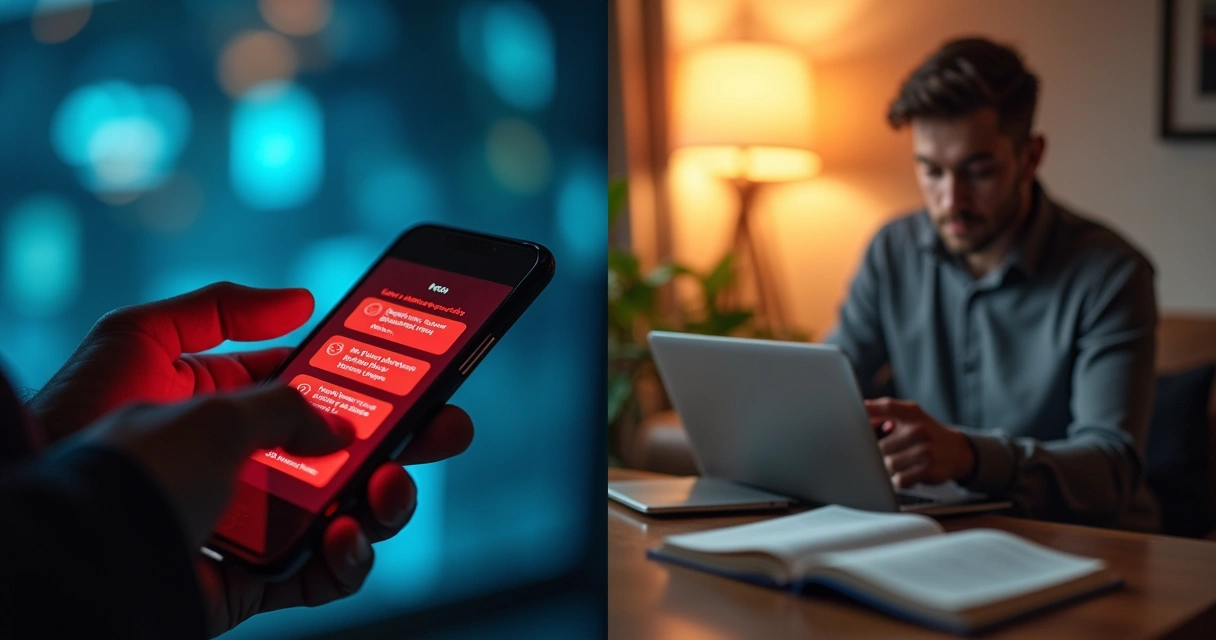
We can picture this in ordinary life. Someone reads upsetting updates every fifteen minutes and becomes short, distracted, and suspicious. Another person checks once or twice with intention, reflects, and then returns to life with presence. The second person is not less informed. They are simply less fragmented.
Emotional balance becomes systemic when our inner state shapes the quality of our relationships and decisions.
The role of pause before exposure
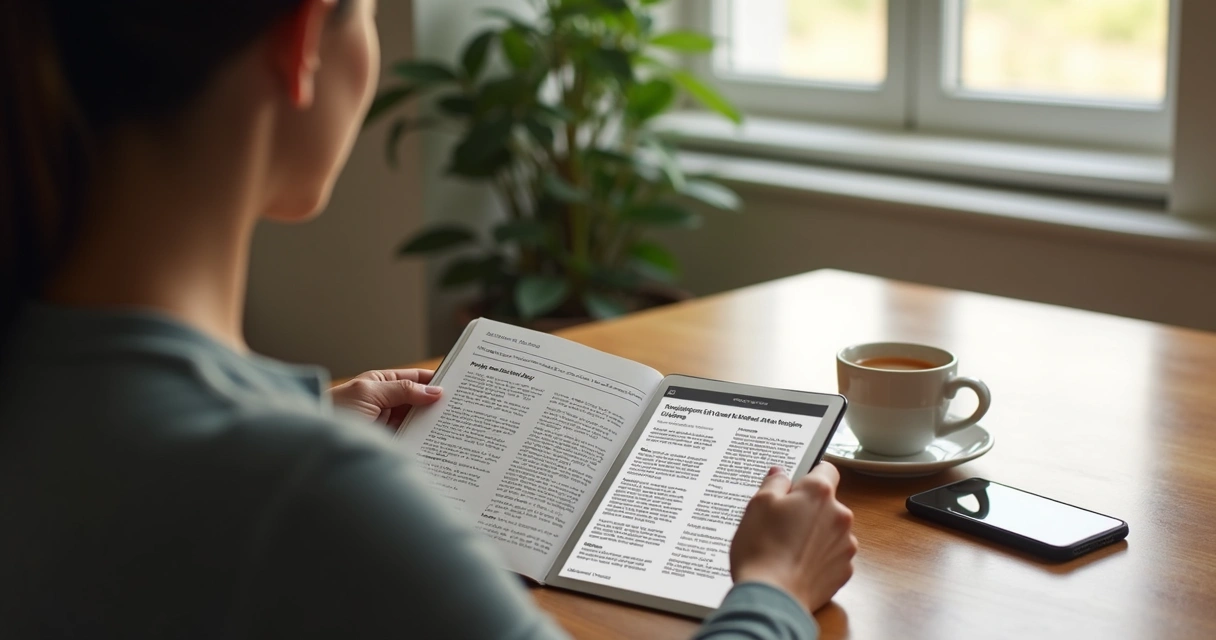
One of the strongest tools in slow consumption is the pause before opening content. That brief moment can change the emotional result of what follows. We may ask, Do we need this now? Are we ready for it? Is this information useful, or is it likely to stir us without helping us act?
That pause is not avoidance. It is discernment.
Experimental findings published in research on emotional cues before visiting webpages showed that when people saw signals about a page’s emotional tone before opening it, they chose less negative content and felt better afterward. We see a simple lesson here. Even a small check on emotional valence can protect wellbeing.
In daily life, this can look very plain:
Notice the urge to open every alert.
Pause for one breath.
Name the likely tone of the content.
Choose whether now is the right time.
Such a small act can prevent a large emotional ripple.
How slow news supports clearer thinking
When headlines come too fast, the mind starts sorting the world into extremes. Everything feels immediate. Everything feels personal. Everything seems to demand reaction. Under that pressure, nuance shrinks.
Slow news supports a better mental posture. We read with context. We compare ideas. We let facts settle. We become less likely to mistake volume for truth or urgency for depth.
We also think there is dignity in not knowing everything at once. Many people feel guilty when they step back from constant updates. Yet being informed does not require permanent exposure. In fact, too much exposure can make us less able to understand what we read.
We have all felt this at some point. After ten headlines in five minutes, our mind is full but not clear. After one well-chosen report read with attention, our mind is fuller in a better way.
Practical ways to slow down news intake
Slow news works best when it becomes a habit, not a one-time correction. We suggest keeping the method simple enough to follow on busy days.
Set one or two fixed times to read news instead of checking all day.
Choose longer pieces or summaries over endless short alerts.
Avoid news in the first minutes after waking and the last minutes before sleep.
Stop reading when you notice body signs like jaw tension, shallow breath, or mental fog.
After heavy topics, take a short walk or sit in silence before moving on.
We think the body is often the first honest signal. If our shoulders rise, our stomach tightens, or our thoughts start racing, that is data. We do not need to force more intake to prove we care.
Conclusion
Slow news consumption helps us stay informed without turning emotional strain into a daily baseline. It creates room for reflection, steadier attention, and more mature responses to shared events. This is why it supports systemic emotional balance. A calmer intake changes not only personal mood, but also the quality of presence we bring to others.
In our view, the goal is not less awareness. It is wiser awareness. We can know what is happening in the world and still protect the conditions that keep thought clear, emotion grounded, and relationships humane.
Informed does not have to mean overwhelmed.
Frequently asked questions
What is slow news consumption?
Slow news consumption is the practice of reading or watching news at a chosen pace instead of following constant updates. It usually includes fixed times for checking the news, fewer alerts, and more attention to context and emotional impact.
How does slow news affect emotions?
Slow news often reduces reactivity. By lowering sudden exposure to alarming or negative content, it gives the mind more time to process information. This can lead to less anxiety, less irritability, and a steadier mood during the day.
Is slow news better for mental health?
For many people, yes. Slow news can support mental health by lowering overload and helping people set limits around distressing content. It does not remove hard realities, but it can reduce the strain caused by nonstop exposure.
How can I practice slow news reading?
You can practice it by checking the news only once or twice a day, turning off non-stop alerts, pausing before opening emotionally charged content, and choosing thoughtful reports instead of endless headline streams. Start with one clear boundary and keep it steady.
What are the benefits of slow news?
The benefits include better emotional balance, clearer thinking, less stress from overexposure, stronger attention, and healthier conversations with others. Slow news can help us stay informed while keeping our inner state more stable.