
Anyone who has tried to meditate in a city knows the struggle. The roar of traffic, construction, chatter, sirens—all these sounds can feel like barriers to inner peace. We have found that, despite what many think, the external environment does not make meditation impossible. It simply changes the path. Instead of resisting the city’s energy, we can learn how to sustain meditative focus right where we are, using the very conditions of urban life as training for a more grounded presence. Here, we share seven practical strategies that have transformed our own daily practice and that we believe can help you find stillness, even in the busiest surroundings.
1. Accept and include city sounds in your meditation
We have often noticed the first instinct in noisy settings is to fight distractions. However, what if we stopped resisting? Instead, we approach sound as part of our experience. When meditating, we start by noticing the sounds around us without labeling them as good or bad. Try listening to the city’s rhythms—the horn, the footsteps, the rising and falling murmur. Don’t try to block these out. Let them come and go, just as thoughts do. With practice, we find that the city’s noise fades into the background of our awareness, no longer pulling us out of focus.
Let the city’s music become part of your meditation, not a disturbance.
This method is not about ignoring the noise, but accepting it. We are developing a calm center in the middle of movement. By welcoming outside sounds as simply more sensations, we learn to rest in awareness itself.
2. Use breath as your anchor
One steady thread in our practice is the breath. While the city swirls, our breath remains close, steady, and real. In our experience, consciously following the in-and-out flow of the breath provides a reliable anchor to the present moment, no matter how busy our surroundings become.
You can count each breath, follow the feeling at the nose or chest, or repeat a quiet word with each inhale and exhale. The key is to let breath become stronger in your awareness than the noise outside. When distractions arise, we gently guide our attention back to the breath, over and over. The repetition builds mental resilience and brings us back home to the body.
3. Choose the right posture and setting
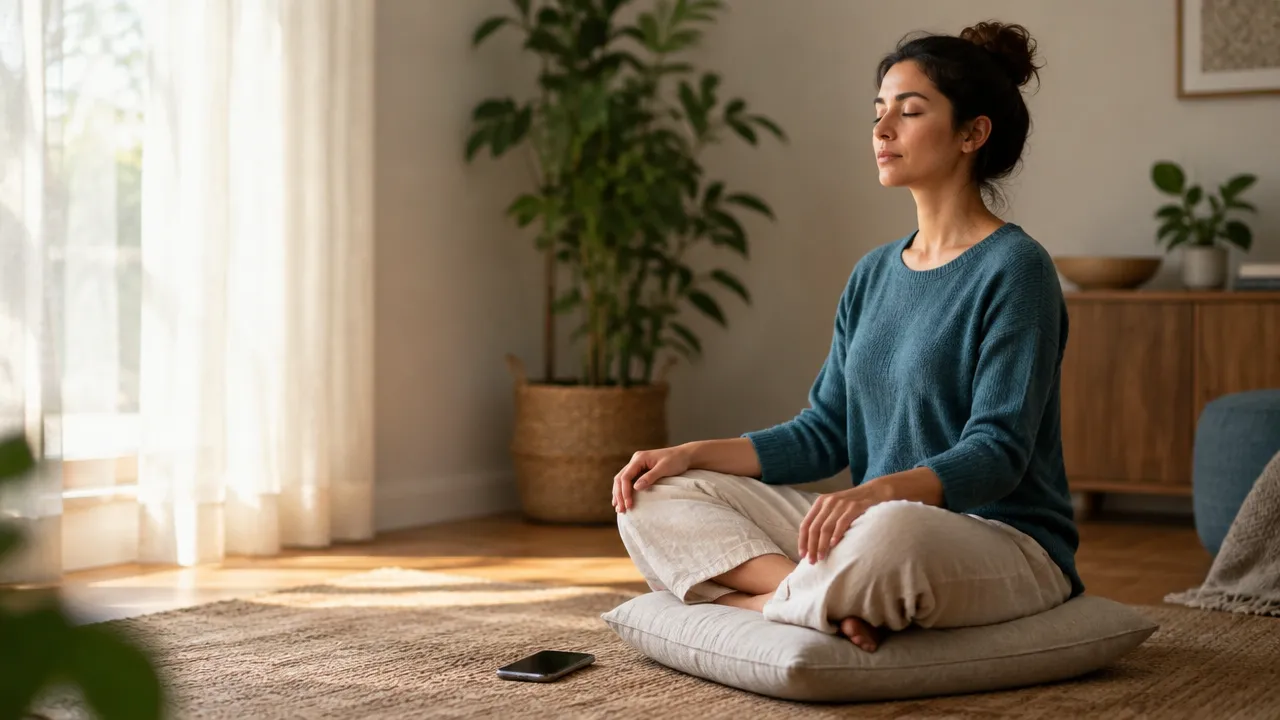
Even in busy environments, how and where we sit matters. In our experience, when we choose a comfortable yet upright posture, our mind is less likely to wander. Sitting with the spine straight but relaxed helps keep both alertness and ease in balance.
It also helps to pick a spot, even if it’s just a corner or a chair, that feels a little apart from the main stream of noise. Sometimes, we face away from the main source of sound or close our eyes partly to soften visual distractions. Small details—like a cushion, a scarf, or even wearing a hat—can signal to our mind that this is meditation time. When the body settles, the mind follows.
4. Turn to guided meditations and sound tools
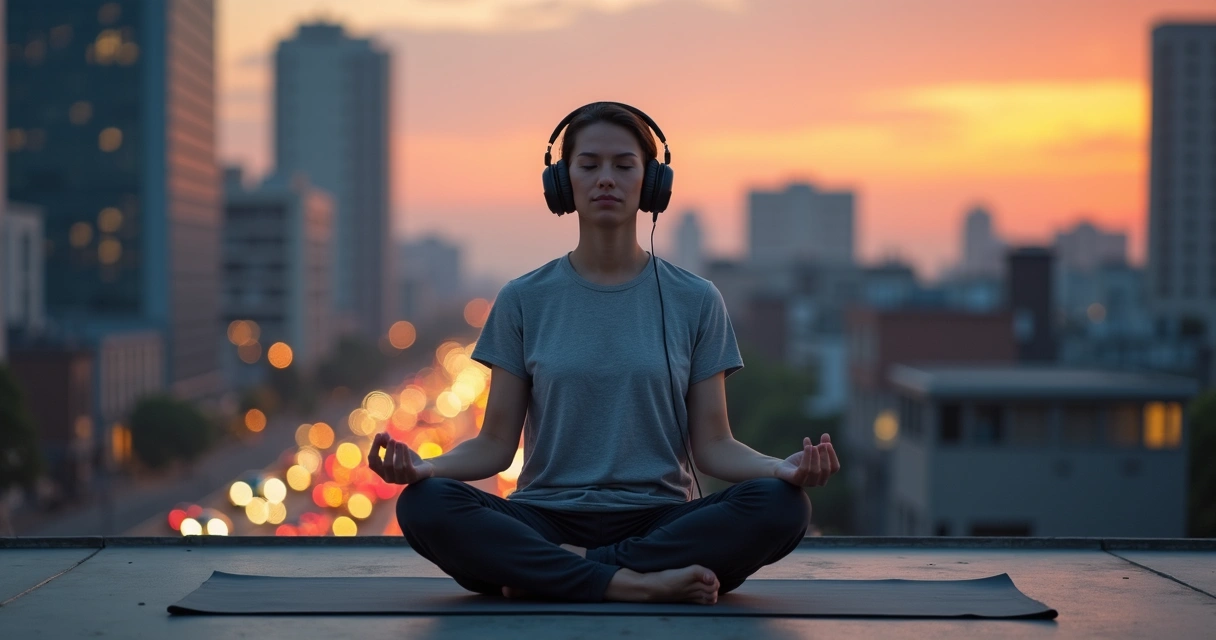
Sometimes, urban noise rises above our best intentions. In these moments, guided meditations can help channel our attention—it feels like having a friend’s voice leading us back to presence. There are many recordings designed for noisy settings, using gentle narration or background tones. We sometimes use simple sound tools, such as a white noise machine or a recorded gentle rain. These sounds don’t drown out the city, but weave a soft background, smoothing sudden disruptions.
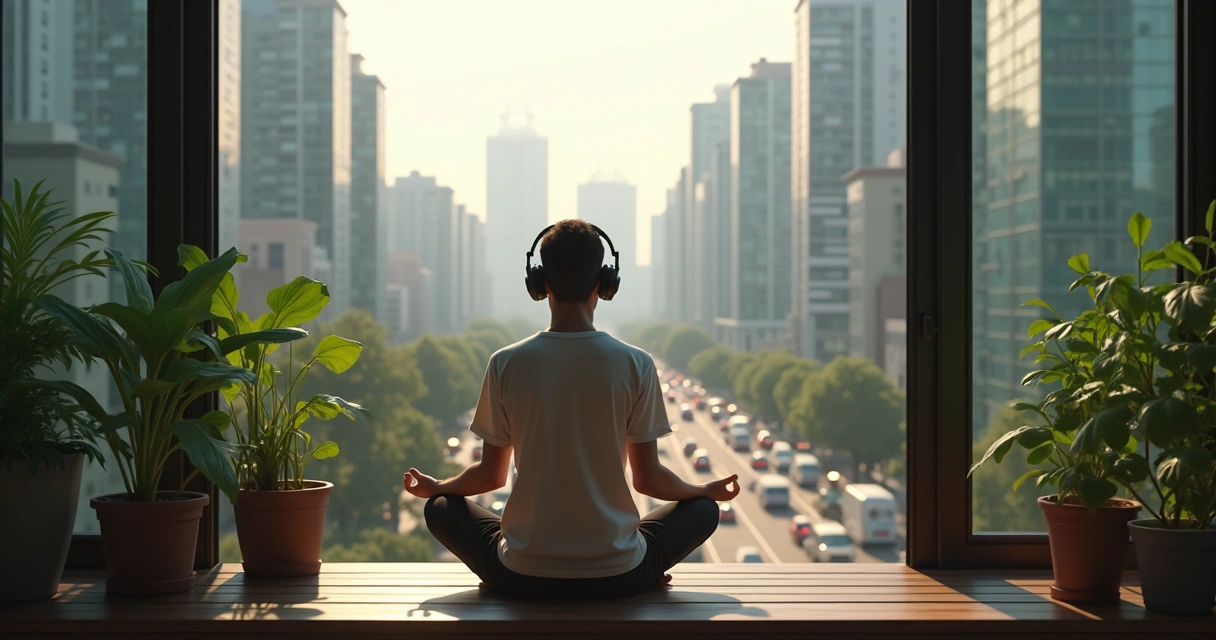
Technology can provide these soundscapes, but simple tools like a fan or the hum of an air conditioner work, too. We see it as a way to blend sound rather than exclude it completely.
5. Set gentle intentions and clear boundaries
At the start of your session, we recommend setting a simple intention. Something like, “During these next ten minutes, I will gently return to my breath whenever I notice distraction.” This helps when things get loud. The intention makes returning to focus feel like a natural part of practice, not a failure.
We also encourage clear boundaries around meditation time. Let others know, if possible, that you don’t wish to be disturbed. Turn your phone to silent mode. Even a brief ritual—lighting a candle or opening a notebook with your intention—can mark the transition from daily life to meditative space. Treat this time as something of value, not an afterthought.
6. Explore micro-meditations in everyday life
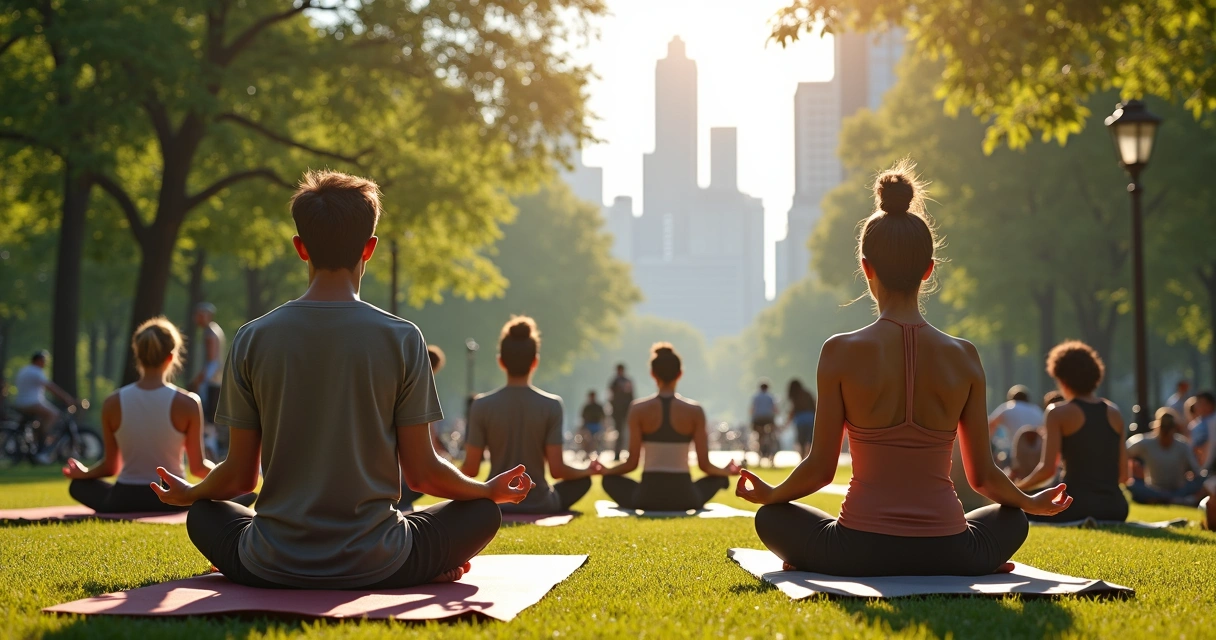
We have found that not every meditation must be long or formal. Many city dwellers benefit from “micro-meditations”—short moments of presence throughout the day. Standing at a bus stop, waiting for an elevator, or sitting in the park with eyes open, just noticing the breath and sounds for a minute.
These micro-practices build skill in bringing attention back, even in chaos. They train our nervous system to respond with calm, not tension. Spread over a day, they add up to real change in how we relate to stress and noise.
Stillness is possible, even for a single breath.
With practice, these mini-meditations help reset our stress levels and remind us that presence can be found anywhere.
7. Nurture patience and celebrate small progress
Finally, we have learned that meditation in the city is an ongoing process. Some sessions will feel focused and steady, others may feel scattered. Our advice is to approach the process with patience, not pressure. Notice even the smallest progress: one breath caught before a distraction, one moment of calm amid a siren, the softening of frustration toward noise.
We suggest keeping a small journal if helpful. Write a line after each session, noting what worked. Celebrate any moment of presence. Over time, we come to see that the city does not take away our inner peace. It simply sharpens our practice, making each moment of stillness more meaningful.
Conclusion
If we are willing to practice, meditative focus is possible anywhere—even in the most chaotic city. By accepting noise, using our breath, adjusting our environment, leaning on sound tools, setting intentions, embracing micro-meditations, and recognizing progress, we strengthen not only our presence but also our resilience. The city’s noise is not the enemy; it is a call to meet ourselves as we are, wherever we are.
Frequently asked questions
What is meditative focus in cities?
Meditative focus in cities means keeping our attention steady and calm even with everyday distractions like traffic, people, and sudden noises. It is the ability to stay present and aware, letting the busy energy around us flow through our practice rather than interrupting it. We learn to include outside sounds, using them as reminders to return to attention instead of seeing them as obstacles.
How to meditate with city noise?
We suggest beginning by accepting all the sounds as part of your meditation. Instead of fighting noise, notice and allow it without judging. Using breath as an anchor helps bring the mind back whenever distractions arise. Some people wear headphones with soft tones or practice with guided meditations. Micro-moments of mindfulness in the middle of daily tasks also offer training for the mind to remain present, even in noise.
Are noise-cancelling headphones helpful for meditation?
Noise-cancelling headphones can soften sharp or sudden sounds and create a more stable environment for practice. While not needed for everyone, we have found them helpful in especially loud situations. Used with soothing music or guided recordings, they help create a sense of separation from the city, making meditation easier to begin and maintain, especially for beginners.
What are the best times to meditate?
Many people find early morning or late evening quieter and gentler for meditation in cities. However, we think the “best” time is the one you can come back to most consistently. Even busy afternoons can become practice time with the right mindset and tools. It’s more about regularity than a perfect moment of silence.
Where to find quiet spots in cities?
We have found that small parks, public gardens, libraries, and even quiet corners of offices can be turned into meditation spaces. Some people use their cars or balconies with headphones. Community halls and some cafes during off-hours may also offer pockets of calm. Even a corner in your home with a cushion or chair can become a steady spot for meditation over time.