

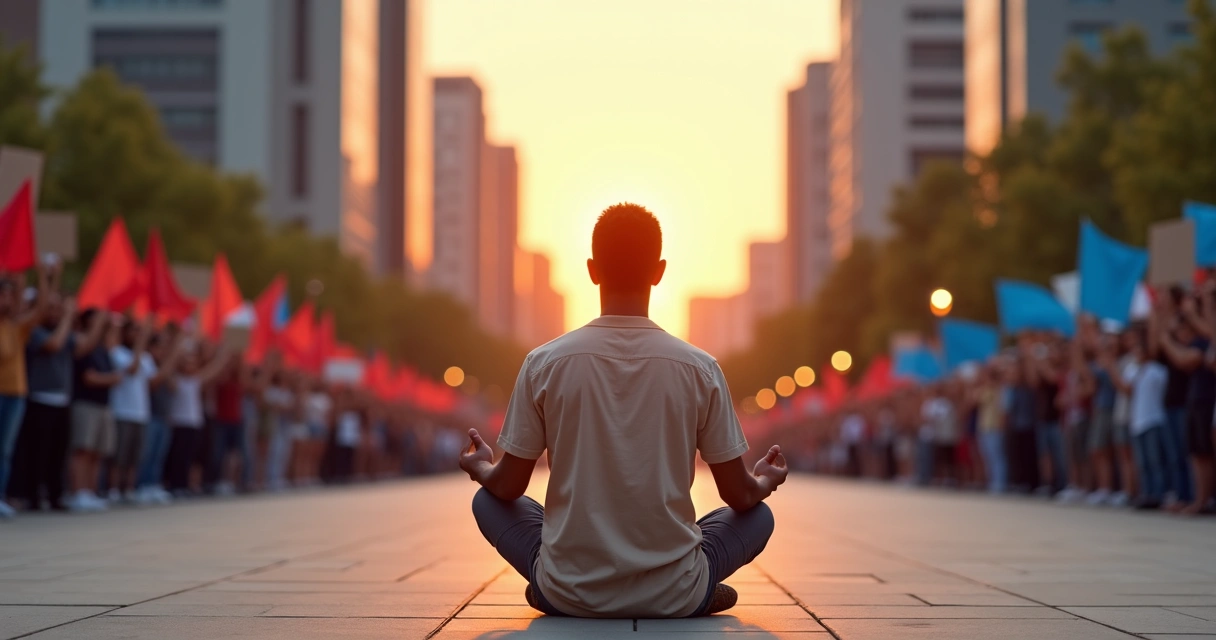
Social polarization can split communities, families, and even nations. It can turn simple conversations into battles and shared spaces into arenas of suspicion. We have all seen sharp lines drawn around opinions, identities, and beliefs. But there is a way we can respond that moves us beyond automatic reactions and tension—by working with intentional presence.
Understanding polarization and our role in it
When people see the world in black and white, “us” versus “them,” there is little room for connection or curiosity. These divides are intensified by emotions like fear and anger. Sometimes, even small differences become barriers.
We have noticed that when polarization rises, personal and collective well-being both suffer. We may lose the ability to listen, to empathize, or to feel safe among those who think differently. Our research and observations have shown that stepping out of this cycle requires more than good intentions—it calls for an active, mindful approach.
Intentional presence is the art of showing up fully—aware, grounded, and open.
Instead of running from discomfort, we choose to remain attentive. This means not only noticing what’s happening around us, but also what’s stirring within us.
What does intentional presence look like in real life?
Intentional presence is simple, but it is not always easy. It involves staying connected to our own experience while remaining available for genuine connection with others.
- We slow down our reactions. Instead of answering right away, we pause. That space allows wisdom to grow.
- We notice our breath, our heartbeat, and our posture. We become aware of tightening muscles, rising tension, and racing thoughts.
- We allow ourselves to listen—really listen—before formulating a response.
- We check our assumptions, acknowledging the stories our minds create about “the other side.”
- We cultivate compassion, including for our own confusion or discomfort.
Practicing intentional presence is not about agreeing with everything or surrendering our values. It is about choosing to engage in ways that connect—rather than separate—us from others.
Barriers to staying present in polarized situations
Let’s be honest: remaining present amid division is challenging. Sometimes, our nervous systems go into fight, flight, or freeze. We might want to leave the room, respond with sarcasm, or simply shut down. We have experienced these temptations ourselves.
Here are some of the most common barriers we have recognized:
- Emotional triggers: Strong language or sharp opinions can make us feel attacked or unsafe.
- Judgment loops: Our brains might leap to judgment, labeling others as “wrong” or “dangerous.”
- Desire for control: In tense times, we want to steer the conversation or force agreement.
- Social pressure: The fear of being ostracized for stepping outside the group mentality.
Intentional presence asks us to notice these forces without letting them take the wheel. We can pause, breathe, and return to the present each time we notice ourselves drifting away.
Steps for managing polarization with presence
We have developed a step-by-step process that helps us, and can help others, stay grounded when facing polarization.
- Recognize your own state: Check for shallow breathing, tension in the chest, or closed body language. These clues signal a move away from presence.
- Pause and ground yourself: Bring attention to your breath or sensations in your feet. Even the smallest pause creates room to recenter.
- Listen with curiosity: Instead of preparing to argue, listen to understand. Notice the words, the feelings, and what remains unspoken.
- Name your intention internally: Remind yourself: “My goal is to understand,” rather than “My goal is to win.”
- Invite respect and dialogue: Use open questions like, “What has shaped your point of view?” or “How did you come to see it this way?”
- Regulate your own reaction: If you feel a surge of frustration, pause and tend to your emotions. Breathe deeply, relax your jaw, or look around the room.

By practicing these steps, we can transform the atmosphere around difficult discussions. It may happen slowly at first, but presence changes outcomes over time.
Change begins when one person brings awareness into a polarized space.
Building collective resilience
While individual presence can shift a single conversation, collective intentional presence can ripple through communities. We have seen this in action—small changes in attitude or posture invite others to join us in a calm, respectful exchange.
Here are some ways to grow collective resilience:
- Start meetings or gatherings with a moment of silence or mindful breathing.
- Create guidelines for respectful communication.
- Encourage participants to notice, and name, their feelings before responding.
- Celebrate and model listening, even in disagreement.
- Reflect after group events on what felt connecting, and what led to more tension.
Shared intentional presence helps people feel safer. When we show up open and attentive, we create spaces where curiosity and empathy can thrive even among difference.
Daily practices to grow intentional presence
It is easier to practice presence in calm situations than in heated ones. That’s why daily, low-stakes practice builds the muscles we need during stress. Here are some techniques we can use:
- Mindful pauses: Take moments throughout the day to pause and connect with your senses.
- Reflective journaling: Write about recent moments of tension and how you responded. Consider how you might bring more presence next time.
- Compassion exercises: Practice sending kind thoughts to those you disagree with. Even silently wishing them well softens internal resistance.

In our experience, simple daily efforts prepare us to stay present when polarization arises. Every step counts.
Moving from reaction to conscious action
There will always be disagreements and strong opinions—that is part of being human. However, intentional presence lets us respond to polarization with clarity, choice, and dignity. We invite others to join us not by force, but by example. When we choose presence over reaction, surprising possibilities can open.
The space between stimulus and response is where growth happens.
Conclusion
Social polarization can feel like an unbreakable wall. Yet, with intentional presence, we find there is always a way through. By noticing our own reactions, pausing, and engaging with an open heart, we can build bridges across divisions. Each time we stay present, we lay the foundation for healthier conversations and more resilient communities.
Frequently asked questions
What is intentional presence?
Intentional presence means bringing our full attention to the current moment, including our thoughts, feelings, and surroundings, while remaining open and accepting rather than reactive or distracted. It is a skill that allows us to respond thoughtfully, even under stress or disagreement.
How does intentional presence reduce polarization?
When we practice intentional presence, we slow down emotional reactions and create space for listening and understanding. This helps prevent arguments from escalating and invites more respectful and curious dialogue. Over time, these practices soften polarized thinking and increase the sense of connection between people.
What are signs of social polarization?
Common signs of social polarization include people splitting into opposing camps, conversations filled with blame or mistrust, and a tendency to dismiss or ignore those who think differently. Communities often experience higher levels of stress and less willingness to cooperate.
How can I practice intentional presence daily?
Some daily ways to practice include mindful breathing, taking pauses before speaking, and reflecting on your reactions during challenging conversations. Regular journaling, silent reflection, or short meditation sessions can also help grow this skill in low-stress settings.
Is intentional presence effective for group conflicts?
Yes, intentional presence can be very effective in group conflicts because it encourages respectful communication and makes space for all voices to be heard. When even one person remains present, it often inspires others to do the same, turning conflict into an opportunity for deeper understanding.