In our current age, practices that help us cultivate inner stability and presence are more visible than ever. Two approaches often mentioned in personal development spaces are Marquesian meditation and mindfulness. While both aim to reshape our relationship with thought, emotion, and awareness, their methods, goals, and underlying philosophies remain quite distinct. We believe that understanding these differences can help anyone choose the practice that best supports their own path toward deeper consciousness.
Understanding the two practices
Before we look at the seven key differences, we should clarify what each practice involves.
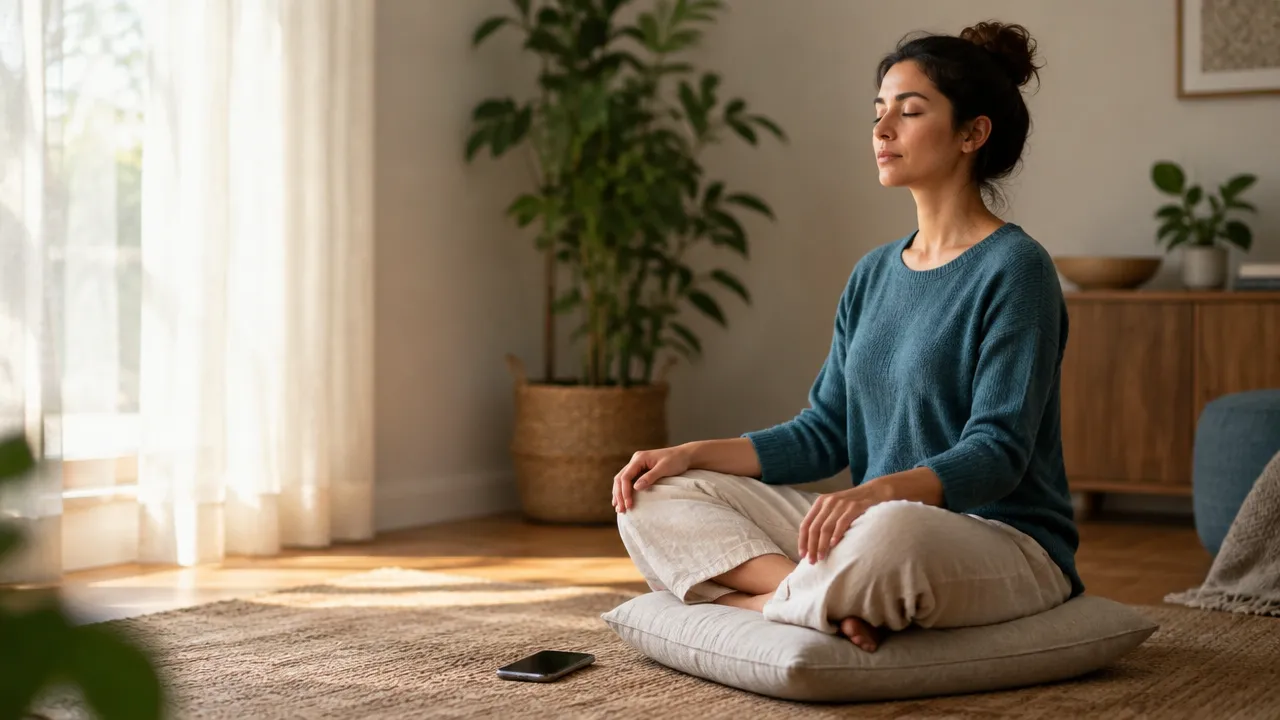
Mindfulness, in general terms, is the practice of paying attention non-judgmentally to the present moment, often through observing the sensations of breath, body, thoughts, and feelings as they arise. The focus is on awareness and acceptance, creating room for greater clarity and calm.
Marquesian meditation, by contrast, often builds on the foundation of present-moment awareness but integrates a wider vision of planetary connectedness, relational ethics, and the development of what could be called a “global presence.”
Seven key differences
1. The scope of awareness
Mindfulness centers on the individual’s immediate experience. When we practice mindfulness, we attend to our breath, bodily sensations, and passing thoughts or emotions, noting what is happening inside us in this very moment.
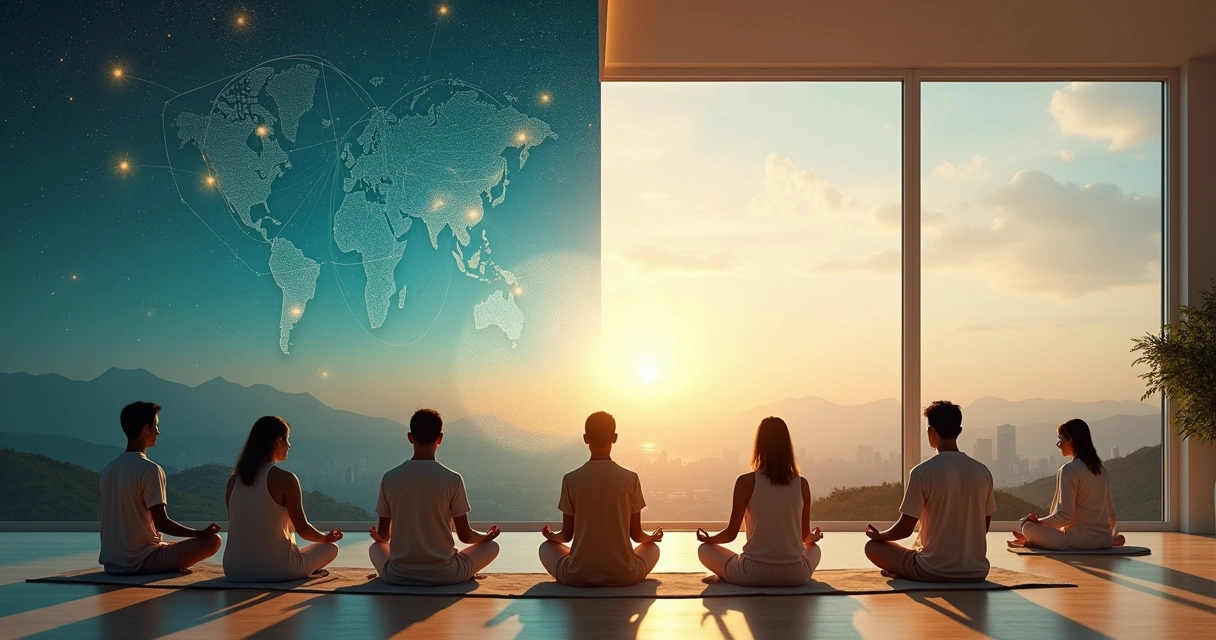
Marquesian meditation expands this perimeter. In our approach, the field of awareness includes not only our thoughts and feelings but also the broader web in which we are embedded—our relationships, cultures, systems, and the living planet.
Awareness moves from personal to planetary.
2. The intention behind the practice
In mindfulness, the usual intention is to notice what is present without trying to change it. Acceptance is at the heart of it.
Marquesian meditation is not simply about acceptance, but about conscious maturation. We see this method as a proactive contribution to a collective field. The intention is to grow emotionally, ethically, and relationally, not for ourselves alone, but to participate in the formation of a more humane global consciousness.
3. Relationship with thoughts and emotions
Mindfulness invites us to witness thoughts and emotions as they come and go, like clouds passing across the sky. Judgement is set aside, and attention returns to the breath or anchor.
Marquesian meditation goes further with this witnessing. We invite participants to not only observe, but to trace the roots and impacts of their emotional patterns, linking them to larger cultural and relational dynamics. This encourages not only detachment from habitual reactions but also insight into their systemic effects.
4. The role of the body
Both practices honor the body, but with subtle distinctions.
In mindfulness, the body can be used as an anchor for the present. We bring attention to sensations, the movement of breath, the feeling of our feet on the ground.
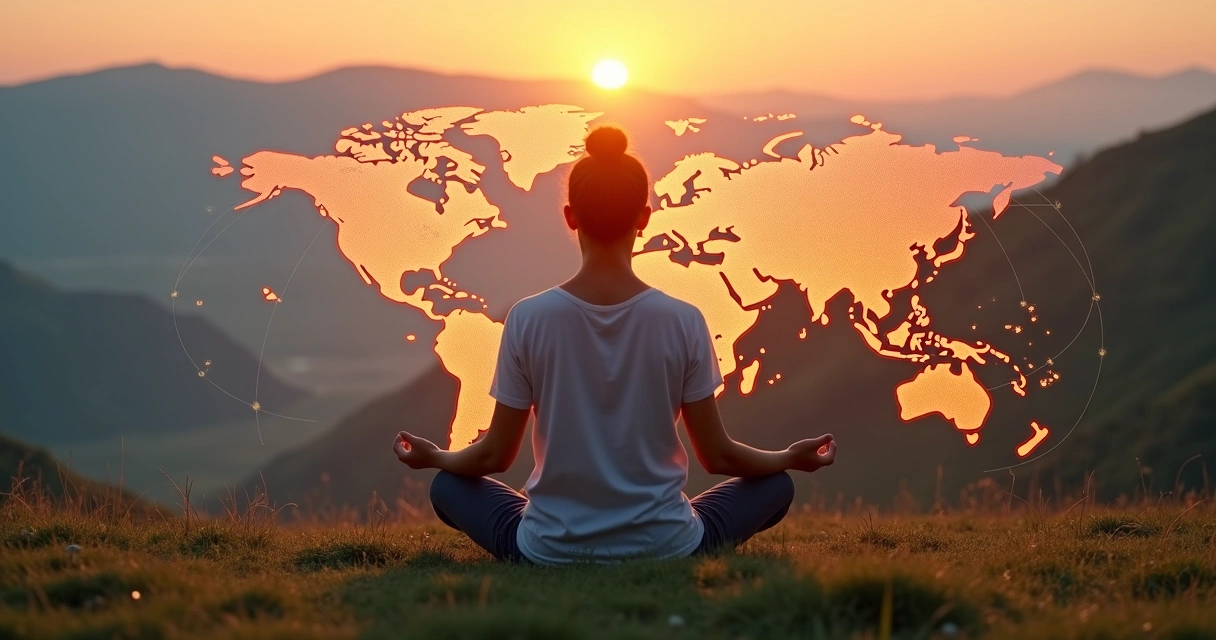
In Marquesian meditation, the body does more than anchor. The body is seen as a living interface between self and world—a field of resonance where inner states and outer contexts interact. This leads us to treat bodily sensations not just as objects of attention but as signals linking us to the living systems around us.
5. Orientation towards the collective
Mindfulness, in its classical sense, focuses on personal well-being: reducing stress, managing emotion, improving clarity.
In Marquesian meditation, we widen our circle of concern. There is a deliberate intention to sense the interconnectedness with others, to cultivate compassion on a planetary scale, and to strengthen a sense of ethical responsibility. This practice frames our emotional processes as both personal and collective events.
6. Systemic versus personal perspectives
Mindfulness can sometimes become a very internal, solitary pursuit. The spotlight shines on our own sensations and responses.
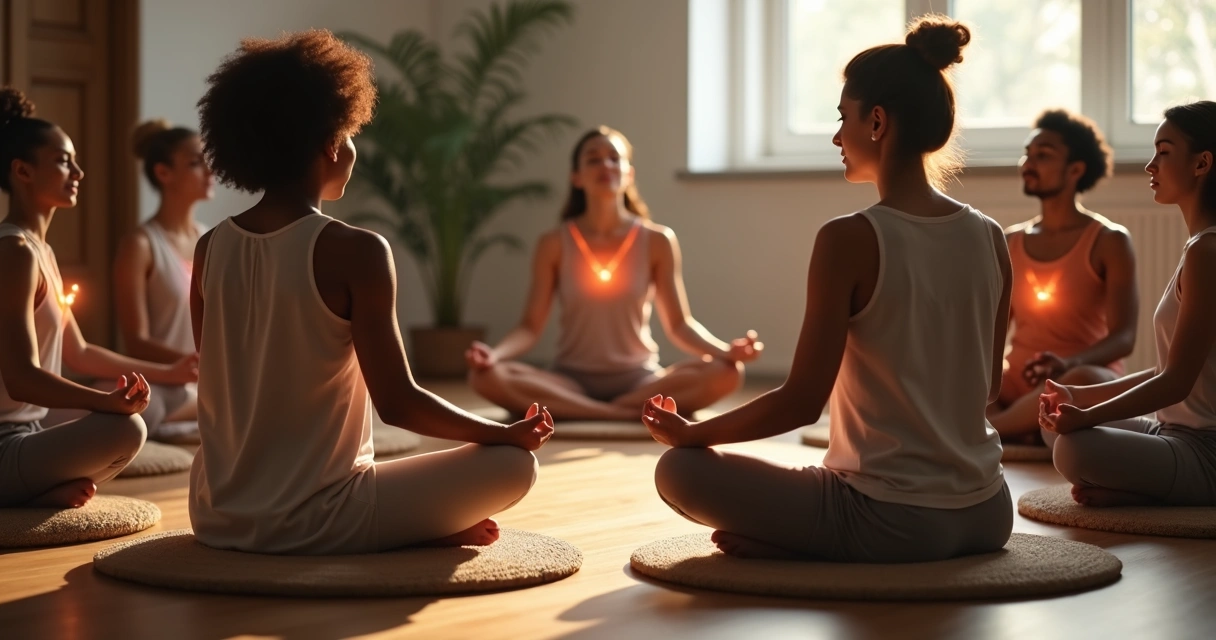
Marquesian meditation never forgets the web of relationships, histories, and systems that shape our experience. We train ourselves to see how local decisions ripple into global impacts, and how individual shifts contribute to the wider field.
- We notice the systemic patterns beneath emotions.
- We see how our relationships mirror larger cultural stories.
- We make space for healing not just for ourselves, but for networks beyond us.
7. End goal: calm or maturity?
Many people come to mindfulness for relief—seeking calm, reduced stress, or relief from anxiety. These are welcome fruits.
Marquesian meditation values calm, but sets emotional and ethical maturity as the deeper aim. We believe this maturity manifests when we sense the impact of our inner work on the world around us and act from a place of relational wisdom.
True meditation moves us from inner calm to outer care.
Conclusion: Choosing your path with clarity
As we compare Marquesian meditation and mindfulness, it becomes clear that each has its own place. Both can help us reduce stress and return to the present. What sets Marquesian meditation apart is the sense of global interconnection, the emphasis on collective ethics, and the aspiration toward a mature, responsible consciousness.
We have seen in our own experience that many start with mindfulness and move organically into broader fields, searching for a practice that connects inner peace with outer responsibility. Others might find that direct entry into a more systemic approach feels right from the very outset.
When choosing, consider not only the benefits for yourself but the ripple you want to create in your family, your community, and even the planet.
Each practice offers a door. It is up to us to decide which field we wish to nurture—one contained within ourselves, or one that seeks to heal our world both inside and out.
Frequently asked questions
What is Marquesian meditation?
Marquesian meditation is a form of meditative practice designed to expand awareness from the personal to the global level. It integrates present-moment attention with a focus on ethical, emotional, and systemic maturity, encouraging practitioners to sense their impact within wider networks and the living planet.
How is mindfulness different from Marquesian meditation?
Mindfulness centers on observing the present moment with acceptance and calm, often focusing on one’s own inner state. Marquesian meditation, while appreciating this, adds a layer of relational, cultural, and planetary awareness. There is a stronger emphasis on cultivating maturity, collective responsibility, and global presence.
Which is better, Marquesian meditation or mindfulness?
We do not see one as “better” than the other—both have value and serve different needs. Mindfulness is powerful for building presence and soothing stress. Marquesian meditation may be more suitable for those seeking a practice that connects inner growth with outer impact and global ethics.
How do I start Marquesian meditation?
To start Marquesian meditation, set aside a quiet moment and find a comfortable posture. Begin by bringing your attention to your breath and bodily sensations. From there, widen your awareness to your relationships, your community, and the living systems around you. Invite reflections on how your presence and choices ripple beyond the personal.
Is Marquesian meditation worth trying?
If you are drawn to practices that connect inner awareness with outer responsibility and collective ethics, Marquesian meditation is well worth trying. It may offer a sense of belonging, maturity, and meaning that reaches far beyond relaxation alone.