
In today’s world, we encounter people of all backgrounds—sometimes without even leaving our homes. Connecting across these cultural divides is no longer just a skill. It shapes how we relate, solve problems, and even find purpose as humans.
We believe that bridging cultural gaps begins from within and extends into every conversation, decision, and collaboration. By looking through the lens of Marquesian psychology, we see practical pathways to nurture this global consciousness. These five ways offer more than simple tips—they are doorways to understanding, respect, and shared growth.
Why bridging cultural divides matters
When cultures meet, we can feel confusion, excitement, and sometimes fear. Instead of closing off, we have a chance to expand.
Differences are invitations to learn, not obstacles to overcome.
Studies by Lene Arnett Jensen at Clark University show that bringing together developmental and cultural psychology leads to a framework that honors global diversity. Our behavior, identity, and values do not grow in isolation—they emerge in a web of cultural stories. Recognizing this connection is the first step toward unity without uniformity.
The five ways to bridge cultural divides
1. Practicing intellectual humility
It is tempting to see our beliefs as the “right” or “normal” ones. In our experience, real empathy begins when we accept what we do not know. Intellectual humility means recognizing the limits of our own worldviews and being open to learning from others.
People who practice this kind of humility tend to be more willing to listen, adjust, and peacefully resolve conflicts. Research in the Journal of Applied Social Psychology has found that higher intellectual humility leads to more support for peaceful conflict resolution and less tendency to see one’s own group as victims.
- Use phrases like “Could you share your perspective?”
- Acknowledge, “I may not have considered that angle before.”
- Resist the urge to immediately defend your position.
Small steps like these begin to soften hard walls of misunderstanding.
2. Embracing transcultural emotions
All humans feel joy, fear, and hope—but cultures shape how these are shown and valued. We have seen how misunderstandings often happen not because emotions are different, but because their “languages” are.
To connect, we must notice both our own feelings and those of others. We can ask ourselves, “What is this person really expressing?” and “Is there a cultural meaning here I don’t see?”
- Observe not just words, but tone, facial expression, and silence.
- Give space for discomfort; it may carry deep emotion.
- Honor different ways of celebrating, grieving, or calming down.
The heart’s vocabulary is wider than any dictionary.
Hazel Markus at Stanford University describes how the self and culture shape each other; by broadening our emotional awareness, we thrive amid diversity.
3. Adapting with cultural flexibility
Flexibility does not mean abandoning who we are. Instead, we shift behaviors in respectful ways when contexts change.

For example, greeting styles, the pace of conversation, or the meaning of eye contact can shift depending on where we are. When we travel, work with global teams, or even greet new neighbors, adapting in small ways invites connection.
One study found that blending cultural adaptation models with therapy makes care much more effective for diverse groups. For daily life, cultural flexibility can mean:
- Observing before acting, especially in new settings.
- Asking respectful questions about local customs.
- Being willing to adjust, even when it feels awkward at first.
When we flex, we do not lose ourselves—we gain the world’s trust.
4. Sharing universal principles
Despite differences, certain values connect humanity. Kindness, honesty, respect, and care for one another are shared by most traditions. We believe that highlighting these universals can be a bridge.
- Start conversations on shared values instead of differences.
- Express appreciation for what is held in common.
- Frame feedback in the light of mutual respect.
In moments of tension, we often ask, “What ideal is important to both sides right now?” This simple question can refocus attention on the person, not the problem.
Our deepest principles are the strongest bridges.
From conflict resolution to building friendships, universal principles create a ground we can all stand on.
5. Seeing systems and relations
We are not only individuals; we are part of families, communities, and cultures that influence our thoughts and actions. Understanding the webs we belong to gives us perspective and compassion.
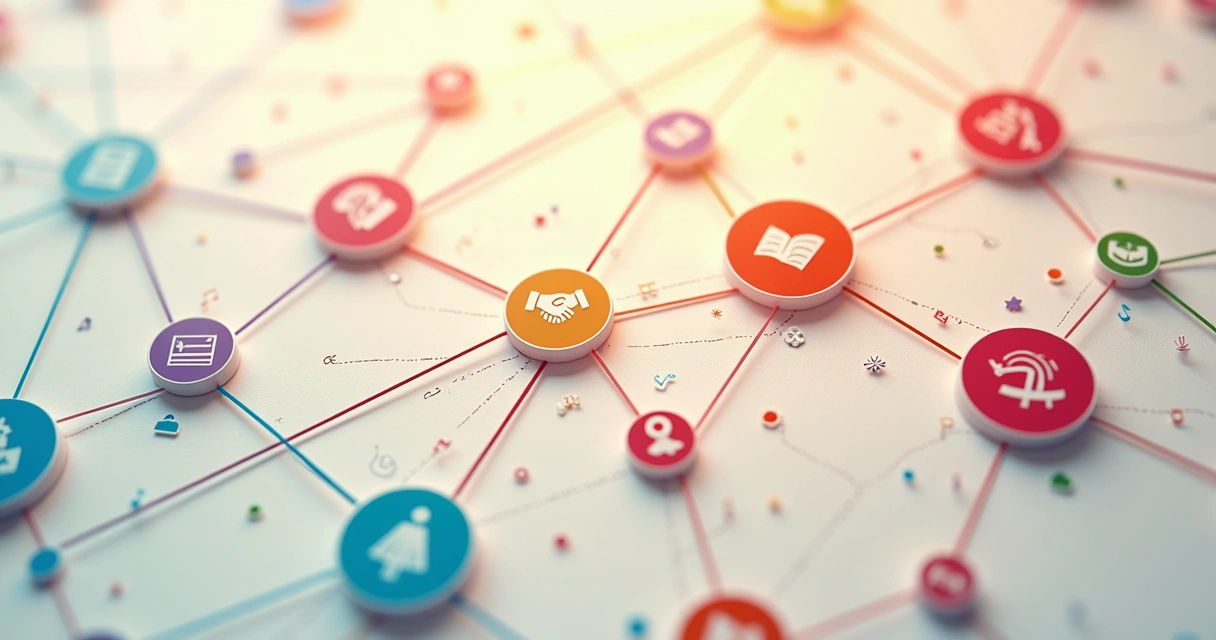
We have found it helpful to reflect on:
- The hidden rules that shape group behavior.
- How past events shape today’s emotions and reactions.
- The multiple “selves” we all manage: personal, cultural, and global.
When we see how each person is shaped by many systems, judgments soften. We replace frustration with curiosity about unseen influences. We also become aware of the ripple effect of our actions—in family, in community, across continents.
This expanded awareness opens fresh paths for cooperation, solutions, and peace.
Conclusion
Cultural divides will not vanish in a day. Yet with each step—practicing intellectual humility, embracing emotions, adapting flexibly, sharing universal values, and understanding interwoven systems—we come closer. We help shape a world where differences enrich relationships, not split them. As more of us choose these paths, a new global consciousness becomes possible—one rooted in mutual respect, growth, and shared purpose.
Frequently asked questions
What is Marquesian psychology?
Marquesian psychology is an approach that highlights the interconnectedness of individual minds and cultures, focusing on emotional, ethical, relational, and systemic growth. It combines understanding emotional diversity, universal values, and the impact of systems on our lives. The goal is to support conscious individuals to create deeper, more humane connections across cultures.
How to bridge cultural divides effectively?
We suggest starting with intellectual humility, listening closely, and being open to new perspectives. You can also learn about local customs, embrace emotional differences, and seek common values in each interaction. Flexibility, respect, and a willingness to learn from mistakes all help build bridges, as outlined by studies in cultural and developmental psychology.
Why is cultural understanding important?
Cultural understanding builds trust and prevents miscommunication. It enables peaceful solutions to conflicts, deeper relationships, and more effective teamwork. In an increasingly connected world, recognizing and valuing differences leads to shared growth instead of division. Understanding culture is a foundation for peaceful, meaningful global interactions.
What are common Marquesian values?
Typical Marquesian values center around respect for all people, seeking emotional maturity, valuing transparency and honesty, and recognizing the impact of our actions on global systems. These values are lived daily by showing kindness, respecting diversity, and aiming for ethical action in both small and large decisions.
How can I apply these methods daily?
Begin with small actions, such as greeting someone in a way that honors their tradition, or pausing to reflect before reacting. Listen fully in conversations and show curiosity about different viewpoints. When facing disagreement, look for common ground first. Adapt your behavior when entering new groups, aiming to respect the norms and values you observe. With steady attention, these habits become natural and support harmony, both at home and in wider communities.