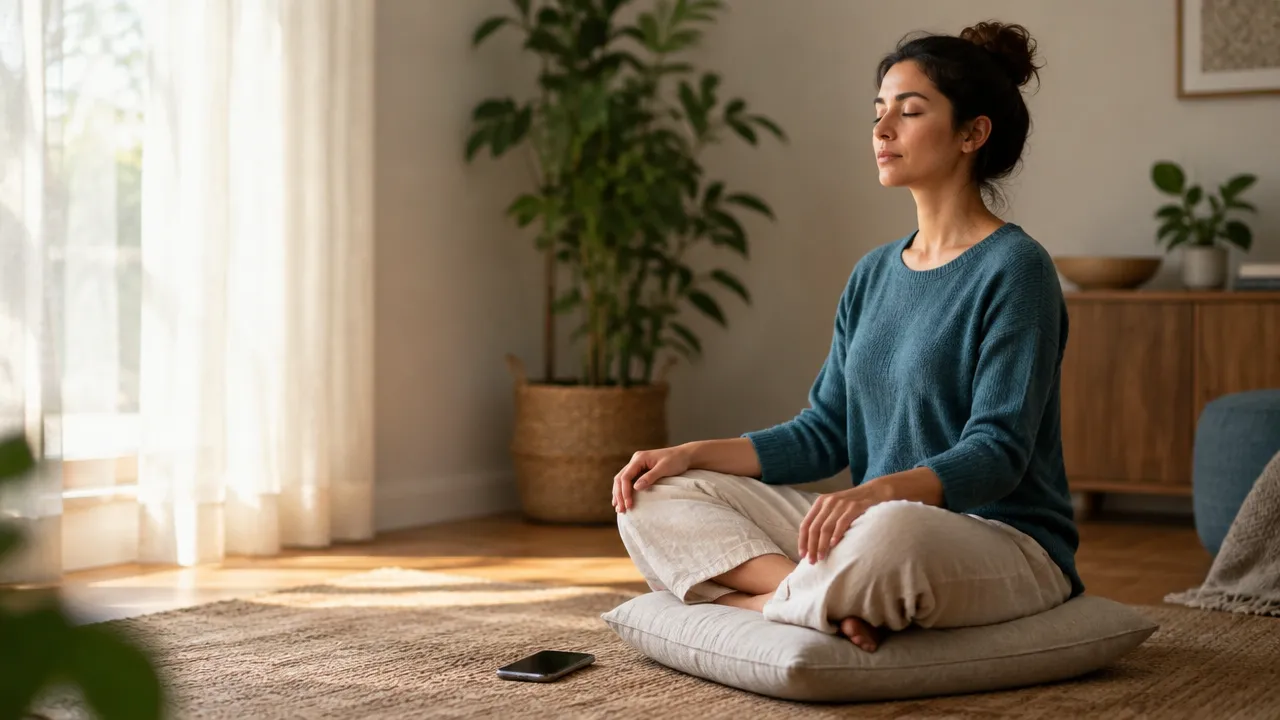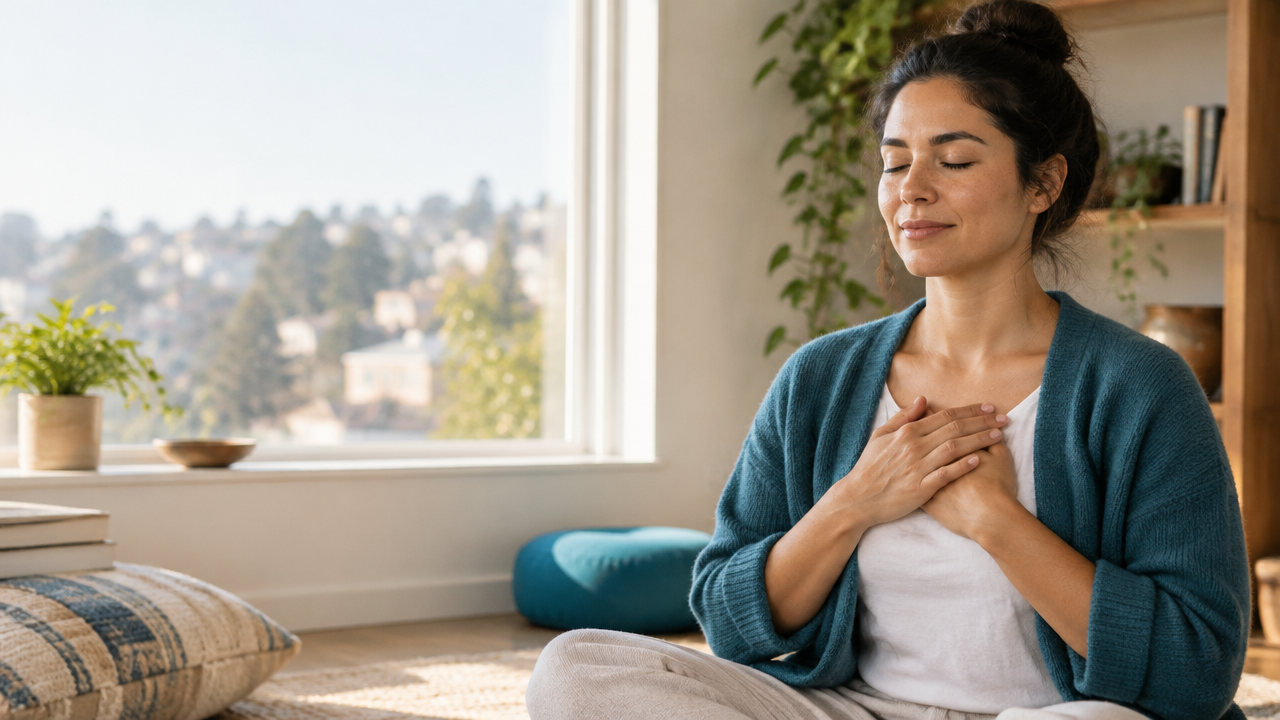


We are hearing a new kind of stress in daily life. It shows up in grocery bills, insurance premiums, rent, repairs, and work uncertainty. A flood in one region can shift food prices in another. A heat wave can strain power systems, damage crops, and shake markets. Many of us feel this in our bodies before we can name it.
Climate-driven financial instability is the pressure that comes when climate shocks disturb jobs, prices, savings, housing, and daily financial security.
This is not just a private worry. It is part of a wider pattern. A Federal Reserve Board analysis on climate-related financial risks warns that climate change can create material risks to financial stability, including losses and market disruption. A U.S. Treasury summary of the Financial Stability Oversight Council position also describes climate change as an emerging and increasing threat to U.S. financial stability.
When we read language like that, we may feel a knot in the chest. We may also feel anger, grief, or numbness. That response is human. Meditation does not erase the facts. It helps us stay steady enough to face them.
We calm the body first.
Why this kind of stress feels so personal
Money stress rarely stays in spreadsheets. It enters sleep, breathing, attention, and relationships. We may snap at someone we love because an energy bill rose again. We may postpone rest because we think constant worry will keep us safe. In our experience, it does the opposite.
Climate-linked instability can feel different from ordinary money worries for three reasons:
It feels unpredictable. Storms, fires, droughts, and supply disruptions can change plans fast.
It feels collective. We know we are not the only ones affected, which can deepen grief.
It feels ongoing. There is no clean end point, so the nervous system stays on alert.
We think this matters because the mind reacts to repeated uncertainty as if danger is always near. That can lead to shallow breathing, restless thoughts, and impulsive choices. Meditation creates a pause between the alarm and our response.
What meditation can really do
Let us be plain. Meditation will not lower interest rates or rebuild damaged roads. It will not replace planning, savings, or practical support. What it can do is help us meet stress without becoming ruled by it.
Meditation trains us to notice fear without letting fear make every decision.
That is one reason so many people have turned to it. A review from the National Center for Complementary and Integrative Health reports that meditation practice among U.S. adults grew from about 7.5% in 2002 to roughly 17.3% in 2022. Public interest has risen because people are looking for grounded ways to handle stress and improve well-being.
Research also gives meditation real weight. A systematic review and meta-analysis published in JAMA found that mindfulness meditation programs produced moderate reductions in anxiety, depression, and pain. That matters when financial strain starts affecting mood, sleep, and the ability to think clearly.
How to meditate when money worries are loud
Many people say the same thing to us: “I cannot meditate because my mind will not stop.” We understand. In fact, that is often the moment meditation is most needed. The practice is not to force silence. The practice is to return.
Here is a simple sequence we can use when financial fear spikes:
Sit or stand in a stable position. Feel both feet or the weight of the body.
Exhale longer than you inhale for five rounds. Keep it gentle.
Name what is present in one phrase, such as “fear is here” or “uncertainty is here.”
Place one hand on the chest and one on the abdomen if that feels comfortable.
Ask one clear question: “What needs attention today, and what can wait?”
This short method helps us sort urgency from overload. We stop treating every thought as a command. A past-due bill may need action. A chain of worst-case scenarios at midnight does not.
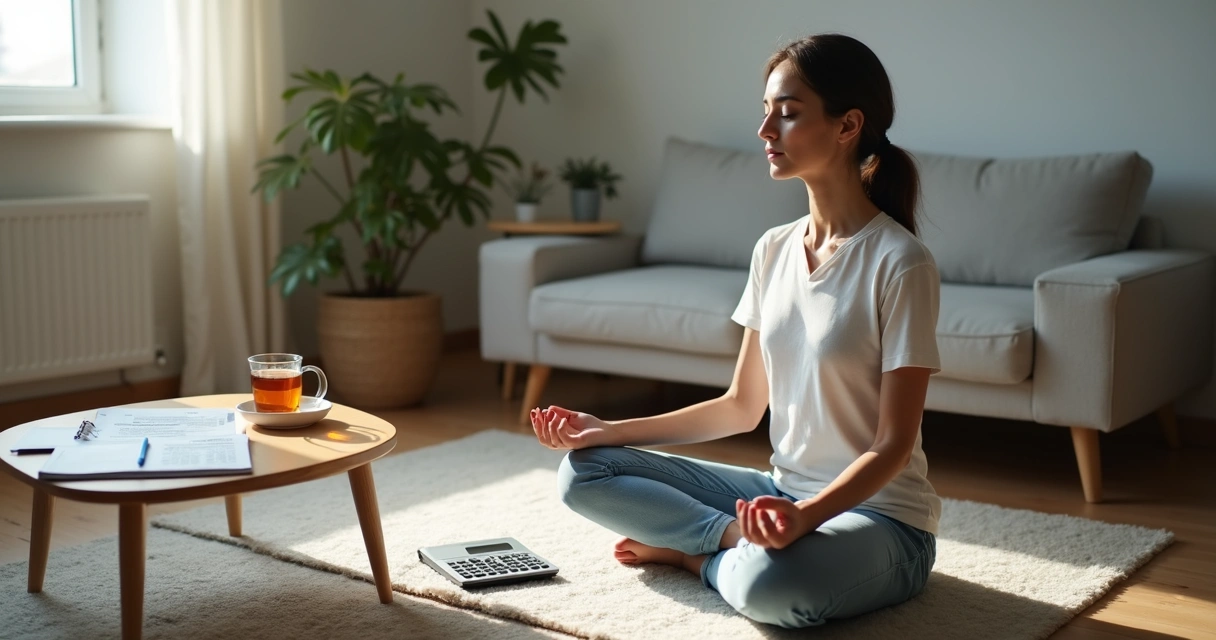
Practices that fit unstable times
Not every meditation style works well when stress is high. Some people do better with structure. Others need movement before stillness. We suggest trying a few approaches and noticing which one helps the body settle.
These are often the most helpful:
Breath awareness. Count breaths from one to ten, then start again.
Body scan. Move attention slowly from head to feet and release held tension.
Walking meditation. Match steps with breath when sitting feels too hard.
Loving-kindness meditation. Offer phrases of care to yourself and others affected by hardship.
We have seen that breath awareness works well before opening bank apps or dealing with stressful messages. Body scans help at night, when worries often grow. Walking meditation can be better after reading upsetting news, because the body may need motion.
Short practice. Real relief.
How meditation supports better money choices
Stress narrows attention. We may avoid the budget, make rushed purchases, or freeze when action is needed. Meditation gives us a wider frame. Once the nervous system settles, we can often see the next step more clearly.
A calm mind does not guarantee easy answers, but it gives us a better chance of making sane choices.
That may mean setting a new spending limit, reviewing insurance, building a small emergency buffer, or asking for help sooner. It may also mean taking in climate news at set times instead of all day. We are not trying to become detached. We are trying to stay able to respond.
One person we spoke with started a five-minute practice before checking market headlines and household expenses. At first, it felt too small to matter. But after two weeks, the person noticed fewer panic purchases, less doom scrolling, and more patience during hard conversations at home. Small changes count.
Building a steady routine
A useful practice does not need to be long. It needs to be repeatable. We usually suggest starting with five to ten minutes a day at the same time. Morning can set the tone. Evening can release the day. Choose one.
A simple weekly rhythm can help:
Five minutes of breath awareness each morning.
One longer session, around fifteen minutes, during the weekend.
A one-minute pause before financial decisions or stressful news checks.
If the practice feels dry, we can add one sentence of intention before starting: “Today we choose steadiness.” Small rituals help the mind trust the process.
Conclusion
Climate-driven financial instability is not only an economic issue. It is also a human stress pattern that touches the body, the mind, and the way we relate to one another. We cannot control every shock around us. We can train how we meet them.
When we meditate, we are not pretending that loss, inflation, or uncertainty are unreal. We are building the inner space to respond with more clarity, less panic, and more care. In unstable times, that is not a luxury. It is a wise form of support for daily life.
Frequently asked questions
What is climate-driven financial instability?
It is financial stress caused or worsened by climate events and long-term climate shifts. This can include higher food and energy costs, rising insurance prices, property damage, job disruption, supply chain problems, and market volatility linked to floods, fires, heat waves, storms, or drought.
How can meditation help with money stress?
Meditation helps lower mental overload and gives the nervous system a chance to settle. When we are calmer, we can think more clearly, sleep better, and make fewer fear-based money decisions. It does not solve the financial problem by itself, but it can improve how we respond to it.
Is it worth it to meditate daily?
Yes, daily meditation is often worth it because short, regular practice tends to work better than rare, long sessions. Even five minutes a day can help build steadiness, especially during periods of uncertainty and repeated stress.
What are the best meditation techniques?
The best technique is usually the one you can practice with some consistency. For money stress, breath awareness, body scan meditation, walking meditation, and loving-kindness meditation are often helpful. If sitting still feels hard, walking meditation may be a better place to start.
Where to find guided meditation resources?
Guided meditation resources can be found in meditation apps, audio libraries, video platforms, local wellness centers, community groups, and mental health clinics. We suggest choosing sources with clear instruction, a calm pace, and short sessions at first so the practice feels approachable.