

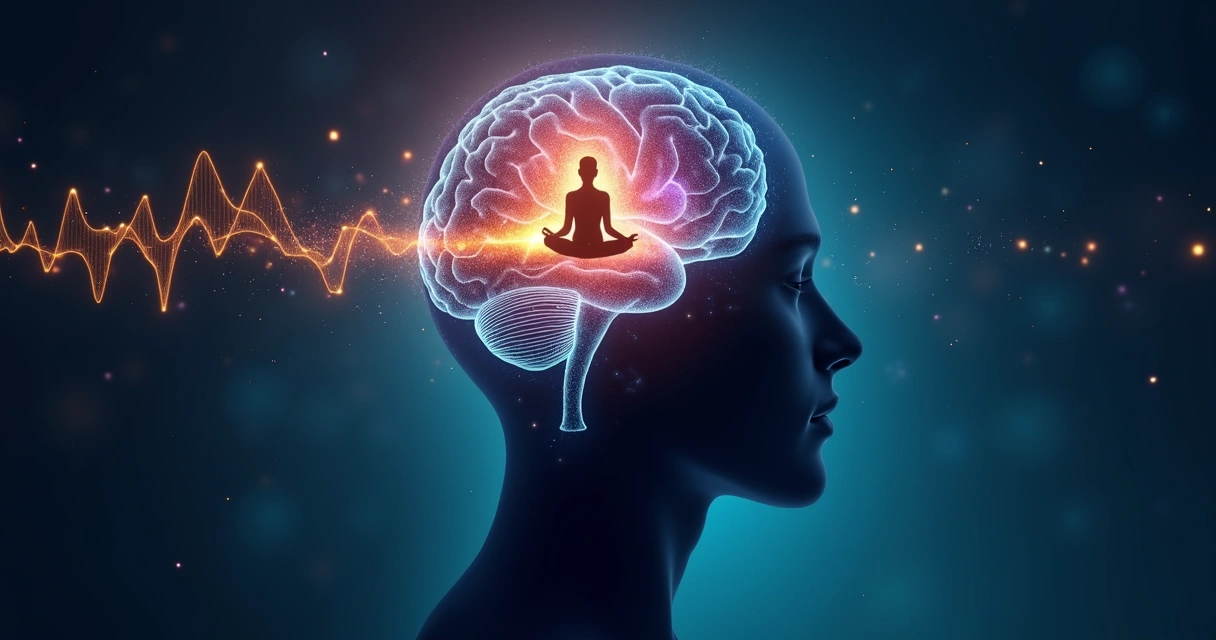
The ancient practice of mindfulness meditation has earned a place in modern science, captivating researchers, health professionals, and individuals eager for greater presence and wellbeing. But what truly happens in the brain when we practice mindfulness? We have witnessed a rising curiosity about this question—and today, neuroscience offers illuminating answers.
Understanding mindfulness from a scientific view
At its core, mindfulness refers to focusing attention on the present moment, observing one’s experience with openness and without judgment. For a long time, it was seen as a philosophical or spiritual pursuit. Today, advances in neuroscience reveal measurable effects on the brain.
Mindfulness changes how our brain perceives, processes, and responds to the world.
Brain scans, especially those using MRI, allow us to understand these changes. What stands out is not just the short-term relaxation, but actual shifts in how the brain is wired and how networks communicate. In our research, several key areas of the brain show alterations with consistent mindfulness practice. These are not abstract benefits—they are physical, observable changes.
Which brain areas change with mindfulness?
When we repeatedly practice mindfulness, three major brain regions show substantial modifications:
- Prefrontal cortex – Involved in decision making, attention, and impulse control.
- Amygdala – Governs emotional reactions, especially fear and stress.
- Hippocampus – Takes part in memory formation and emotional regulation.
Let's look a little closer at how these areas transform when mindfulness becomes part of our routine.
The prefrontal cortex and attention regulation
We see an increase in the thickness of the prefrontal cortex when mindfulness is practiced regularly. This area is responsible for attention, problem-solving, and self-control. In our experience, people often report feeling less scattered and more able to focus on what matters after adopting mindfulness.
The prefrontal cortex supports flexible, conscious responses instead of automatic reactions.As this region becomes more active and connected, we are able to pause, notice our thoughts, and respond thoughtfully, rather than acting on impulse. This boosts not only clarity but also decision-making in daily life.
The amygdala and emotional calm
If you have ever felt caught in a wave of anxiety or anger, you know the power of the amygdala. This almond-shaped area lights up when we feel threatened or emotionally charged. Mindfulness has been shown to reduce activity and even decrease the size of the amygdala with sustained practice.

With mindfulness meditation, we practice noticing emotional surges without getting swept away. We learn to witness fear or stress as temporary events. Over time, the amygdala’s reactions grow less intense, and we become calmer even in challenging situations.
This process leads to greater emotional stability and resilience in everyday life.The hippocampus and emotional regulation
The hippocampus is a powerhouse of learning and memory. It also helps manage emotional responses. Studies show that the volume of the hippocampus increases with regular mindfulness, suggesting new brain cells and connections are being formed.
This neural growth is often linked with better emotional balance. People say they feel less emotionally reactive, as if there is space between a trigger and their response. This links closely to improved memory, especially of positive or neutral aspects of life.
What happens to brain networks in mindfulness?
Not only do individual areas change, but networks of the brain also shift. Three main networks are affected:
- The Default Mode Network (DMN), which handles daydreaming, wandering thoughts, and self-referential thinking.
- The Salience Network, which decides what deserves our attention in any moment.
- The Executive Network, which helps us concentrate and manage tasks.
With mindfulness, activity in the DMN decreases. This means less rumination—those endless cycles of worry or regret. We shift away from internal chatter and toward a direct, present experience. Meanwhile, the salience and executive networks grow more coordinated, helping us notice the present moment and stay with it.
Awareness grows. Distraction fades. Presence takes root.
How does mindfulness reshape the brain structurally?
MRI scans show actual changes in gray matter density—the “wiring” and cell bodies of the brain. In areas linked with attention, learning, and emotion, gray matter can grow thicker with consistent mindfulness over weeks or months.
This process, called neuroplasticity, means our brains are not fixed. They adapt all the time, creating new paths and reinforcing those we use most. Practicing mindfulness acts like mental exercise, strengthening specific circuits.
Consistent mindfulness primes the brain for learning, calm, and kindness to self and others.What about the stress response?
Stress affects brain function and health. When stress is chronic, it rewires the brain for vigilance and reactivity, often shrinking the hippocampus and over-activating the amygdala. Regular mindfulness interrupts this spiral, lowering cortisol (the stress hormone) and shifting the brain’s baseline.

When we experience stress, a mindful approach lets us respond instead of reflexively reacting. The brain learns to return to a balanced state, supporting better immune function, mood, and overall well-being.
Can mindfulness change the brain at any age?
Our findings, supported by recent neuroscience, show that the brain remains plastic well into old age. It does not matter if someone starts mindfulness in childhood or in their seventies—the brain adapts with practice. This is empowering and invites a sense of possibility.
It is never too late to train your mind and reshape your brain’s patterns.
How long does it take to see changes?
The most common question we hear is about timing. Research points to shifts in brain activity and structure after only a few weeks of consistent mindfulness, typically around 20 to 30 minutes a day. Some people feel calmer after just one session, but deep, lasting changes build over months.
With steady practice, the brain’s transformation becomes visible and noticeable in daily life.Conclusion: Mindfulness as brain training for all
When we practice mindfulness, we are not only calming our thoughts—we are literally training our brains. Areas for attention strengthen. Emotional centers quiet. New connections spark and grow.
The promise of mindfulness lies not just in peaceful moments, but in real changes to the architecture of the brain. As we embrace presence, awareness, and acceptance, we help our brains become healthier and more adaptive—one breath, one moment, one day at a time.
Frequently asked questions
What is mindfulness in neuroscience?
In neuroscience, mindfulness refers to intentionally paying attention to the present moment, without judgment, and observing thoughts, emotions, and sensations as they arise. Brain studies show that mindfulness practices activate and strengthen certain areas related to attention, emotion regulation, and awareness.
How does mindfulness change the brain?
Mindfulness brings about physical changes in the brain, such as increased thickness in the prefrontal cortex, reduced activation and sometimes volume in the amygdala, and growth in the hippocampus. It also shifts how brain networks communicate, leading to better focus, less stress, and improved emotional balance.
Is mindfulness good for mental health?
Yes, regular mindfulness practice is associated with reduced anxiety, lower stress, improved mood, and a stronger ability to manage emotions. These benefits have been measured in the brain as well as in self-reported wellbeing.
How long to see mindfulness benefits?
Changes in stress levels and mood can appear after just a single session, but significant changes in the brain are usually seen after a few weeks of daily practice. Many studies highlight benefits at around 8 weeks with regular, focused attention to the practice.
Which brain regions are affected by mindfulness?
The main brain regions affected include the prefrontal cortex (attention and control), amygdala (emotional reactivity), and hippocampus (memory and emotional regulation). Brain networks like the default mode network and executive network also show changes, which helps explain the range of positive effects.