

Transcendental Meditation is a quiet, mantra-based practice intended to let attention settle without forcing the mind to become blank. This guide explains what a typical session involves, how it differs from mindfulness, what beginners may notice, and what research can and cannot say about its benefits.
Key points to know before you begin
- A typical session involves sitting comfortably and silently repeating a mantra for about 20 minutes.
- Thoughts are expected; the practice is not a test of concentration or mental silence.
- It is a specific approach, not a label for every kind of mantra meditation.
- Research on meditation does not guarantee that this method will treat a health condition or work the same way for everyone.
- A useful outcome to observe is how you return to daily interactions, not whether you experience a special state.
What is Transcendental Meditation?
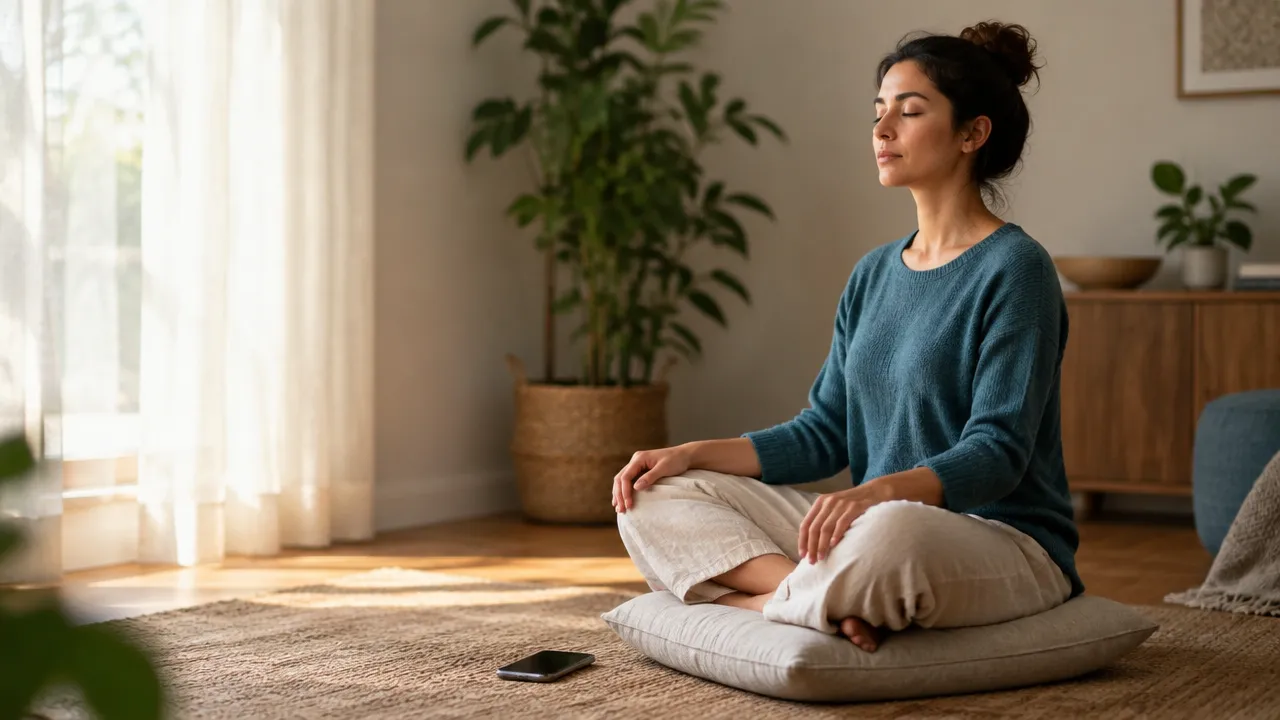
Transcendental Meditation, often shortened to TM, is a structured form of silent meditation that uses a mantra, a sound repeated mentally. The practitioner sits comfortably, lets the mantra come to mind, and returns to it gently when attention wanders.
The practice does not require suppressing thoughts, visualizing a scene, or concentrating with strain. Thoughts, sounds, and sensations can still arise. The instruction is to allow them rather than treating them as proof that you are meditating incorrectly.
“Mantra meditation” is a broader category. As the NCCIH overview of meditation explains, meditation methods use different objects of attention, including sounds, phrases, breath, and present-moment awareness. Knowing which method you are learning helps you avoid assuming that every app or mantra recording teaches the same technique.
How does a session work?
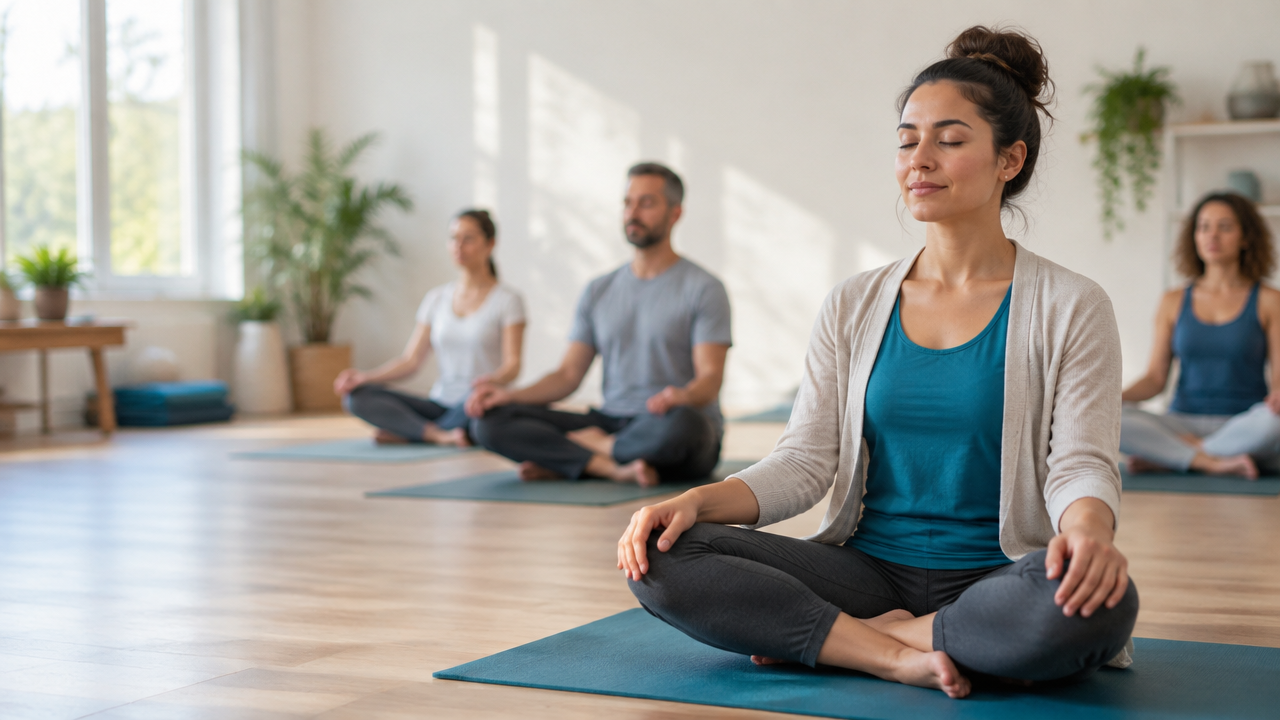
A standard session is usually done sitting comfortably with the eyes closed, for around 20 minutes. Many people practice twice daily, though schedules and instruction details can vary.
- Choose a quiet place and a supported, comfortable seated posture.
- Begin the practice as you were taught, allowing the mantra to be repeated silently.
- When you notice a thought or distraction, return to the mantra without criticizing yourself.
- At the end, take a short moment to transition before resuming activity.
The key is a light touch: you are not trying to force a particular feeling or make the mantra louder in your mind. If the mind wanders repeatedly, that is part of ordinary practice, not a reason to restart the session.
How is it different from mindfulness?
Both approaches can involve sitting quietly, but they guide attention differently. In this mantra-based practice, attention returns to a repeated sound; many mindfulness practices instead emphasize noticing present-moment experience, such as the breath, thoughts, or bodily sensations, with an open attitude.
Neither description means that one method is universally better. Your preference may depend on whether a simple repeated focus feels supportive or whether you would rather observe whatever is happening. A broader look at how meditation approaches differ can help clarify that distinction without treating all methods as interchangeable.
What might beginners notice?
Beginners may notice calm, sleepiness, restlessness, a busy stream of thoughts, or no striking change. Experiences can vary from session to session, so an unusual sensation or a quiet mind is not a reliable measure of progress.

Try to observe practical patterns instead: Was it easy to make time? Did the session feel manageable? Did you return to conversation or work with a little more patience? These observations are more useful than expecting an instant transformation.
Consistency can be harder than the technique itself. If you miss a day, resume when practical rather than turning the lapse into a reason to quit; this guide to restarting meditation offers ideas for rebuilding a routine.
What does research say about benefits and limits?
Meditation may support well-being, but evidence varies by method and health outcome. The National Center for Complementary and Integrative Health notes that studies often examine different practices, which makes broad conclusions difficult. That means evidence about mindfulness or meditation in general should not automatically be presented as proof about this specific technique.
The American Heart Association has discussed meditation as a possible addition to cardiovascular care, not a replacement for established treatment. Its scientific statement on meditation and cardiovascular risk also reflects the limits of evidence, so meditation should not be treated as a guaranteed way to lower blood pressure or prevent disease.
A grounded way to evaluate the practice is to separate personal experience from medical claims. You can notice whether it helps you feel steadier while continuing prescribed care and seeking clinical advice for health concerns.
How can you choose a responsible way to learn?
If you want to learn the specific method, look for clear instruction about how practice works, what support is included, and what the learning process costs before committing. A general meditation app may introduce mantra repetition, but that alone does not establish that it teaches this particular approach.
Ask questions before beginning, especially if you have a health condition or a history of distress during meditation. The NCCIH advises people not to use meditation in place of conventional care and to discuss complementary approaches with their health professionals.
From a wider perspective, a meditation technique is useful only insofar as it supports a more attentive life. Quiet practice does not automatically create compassion or ethical action; those qualities show up in how a person listens, responds, and participates in relationships.
Frequently asked questions
Can you teach yourself Transcendental Meditation?
No. You can repeat a sound quietly on your own, but that does not necessarily make it the specific Transcendental Meditation method. If you want to learn that approach, ask a qualified instructor what training involves and what support is provided, rather than assuming a generic mantra recording teaches the same practice.
Can you do Transcendental Meditation lying down?
Yes, you can meditate while lying down, but sitting is often more practical if you tend to fall asleep. The posture matters less than being comfortable and awake enough to practice. If sitting causes pain or is difficult, adapt your position and ask an instructor about options.
How long does it take for Transcendental Meditation to work?
There is no reliable timetable for when you will notice a change. Some people find a session calming; others notice little at first or experience thoughts and restlessness. Treat the practice as a routine to evaluate over time, not a quick fix or a guaranteed treatment for stress or health conditions.
What does Transcendental Meditation do?
It is a silent, mantra-based meditation practice, commonly done while sitting comfortably for about 20 minutes, often twice a day. The aim is not to force thoughts away. When you notice your attention has wandered, you return gently to the mantra and continue without judging the distraction.
When should you not meditate?
Pause or seek guidance if meditation brings intense distress, panic, or other difficult reactions. People with mental health concerns may want to discuss a new practice with a qualified clinician. Meditation should not replace medical care or prescribed treatment, and the National Center for Complementary and Integrative Health advises discussing complementary practices with health professionals.