Vipassana is a form of insight meditation that trains attention to notice experience without immediately reacting to it. Beginners can explore the basic principle through a short, gentle practice, while recognizing that methods vary across Buddhist traditions and teachers. The aim is not to empty the mind, but to see thoughts, feelings, and body sensations more clearly.
Key takeaways
- Vipassana is often translated as insight or clear seeing, and it is not one single standardized technique.
- Some methods focus on breath, body sensations, or noticing mental events. Goenka-style courses commonly teach breath awareness followed by systematic body observation.
- A 10-day residential course is one common way to learn a particular method, not a requirement for all Vipassana practice.
- A brief home routine can be a useful introduction, but stop or adapt the practice if it causes significant distress.
What Vipassana meditation means
Vipassana is a Buddhist practice of insight: learning to observe experience as it changes, rather than being swept along by each reaction. In Theravada Buddhism, it is commonly associated with understanding the changing nature of body and mind. The word is also used by different teachers and communities, so the instructions are not identical everywhere.
Some approaches emphasize mindfulness of breathing, some use mental noting, and others guide practitioners to observe sensations throughout the body. In the Goenka tradition, students first develop attention through breath awareness, then practice observing bodily sensations with equanimity. For a broader look at how meditation approaches differ, explore key differences between meditation and mindfulness.
The practical distinction is important: Vipassana is not simply relaxation or positive thinking. It invites a person to notice pleasant, unpleasant, and neutral experiences without immediately clinging to or resisting them. This can create a pause between a feeling and the response that follows.
How to try a simple practice at home
A short introductory routine can help you understand the basic skill of steady, nonjudgmental observation. Treat the following as a gentle starting point, not a complete substitute for the specific instructions of a lineage or retreat teacher.
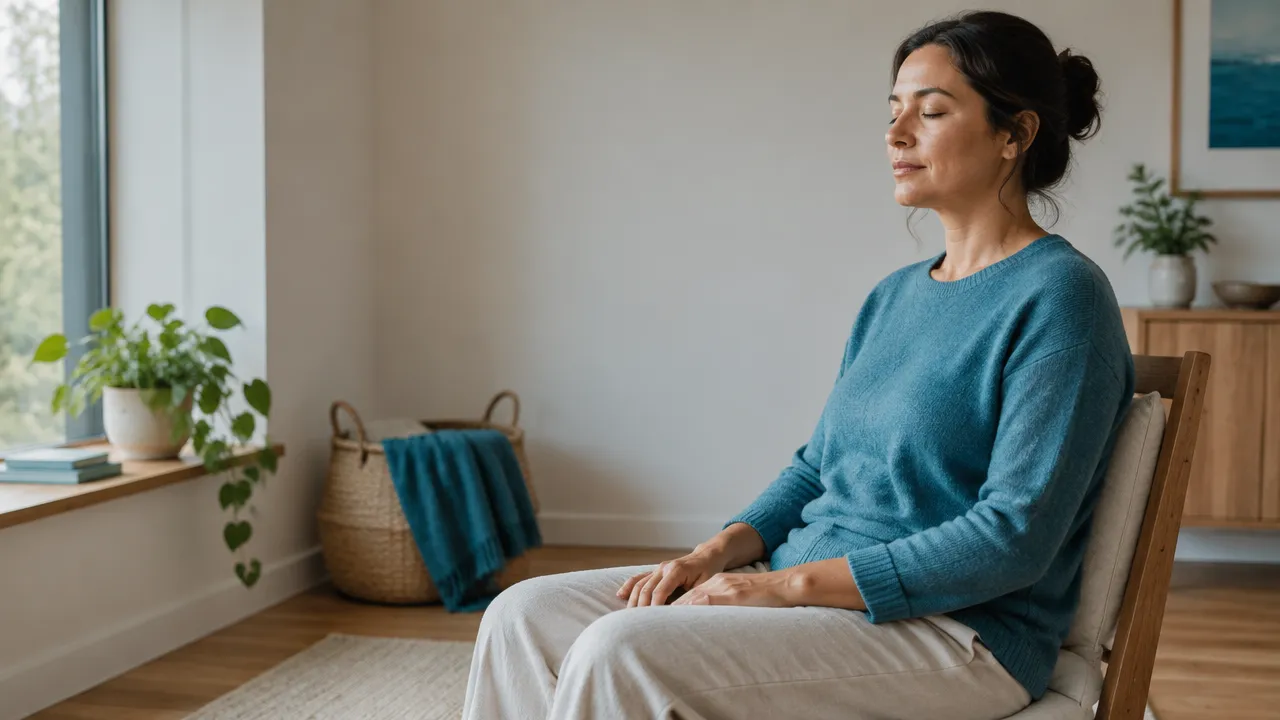
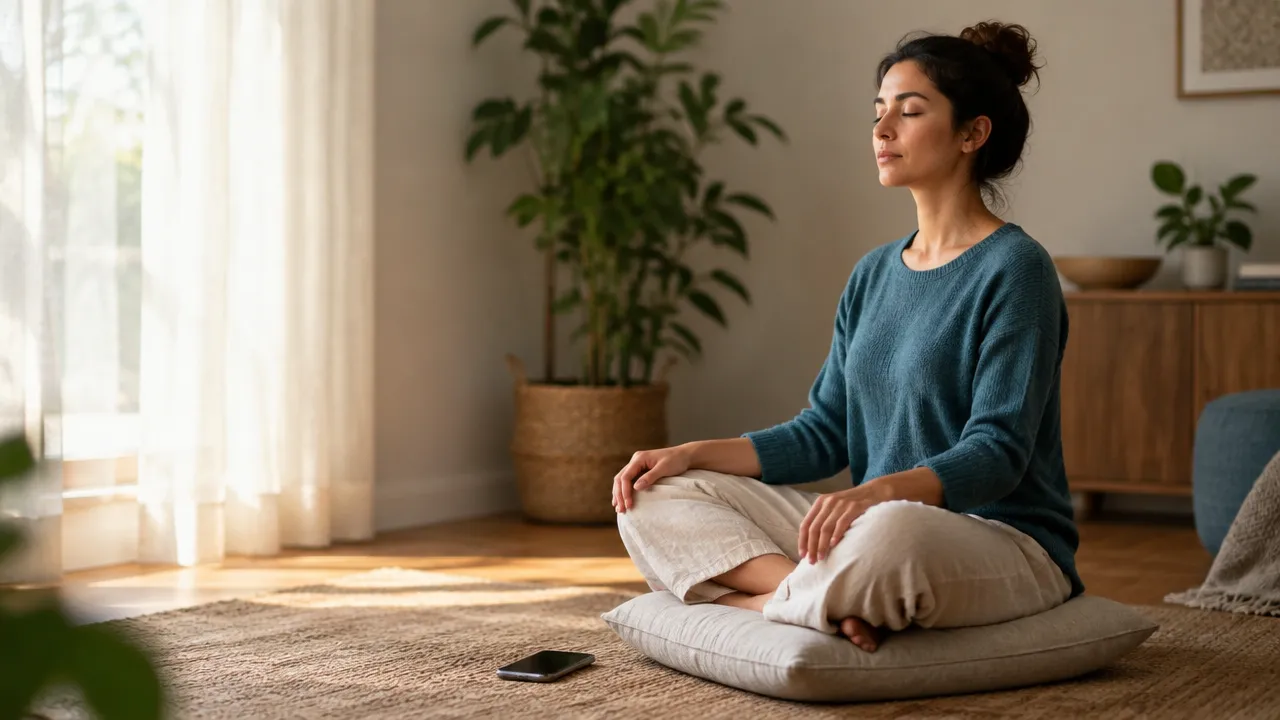
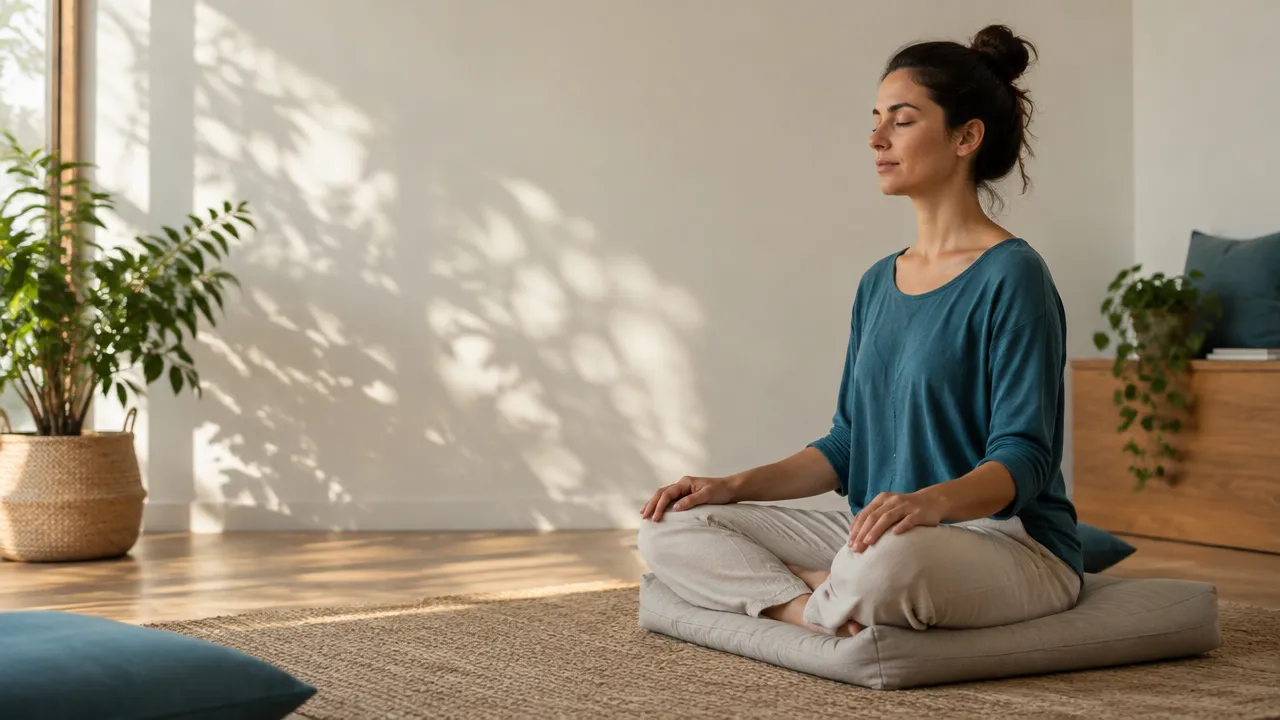
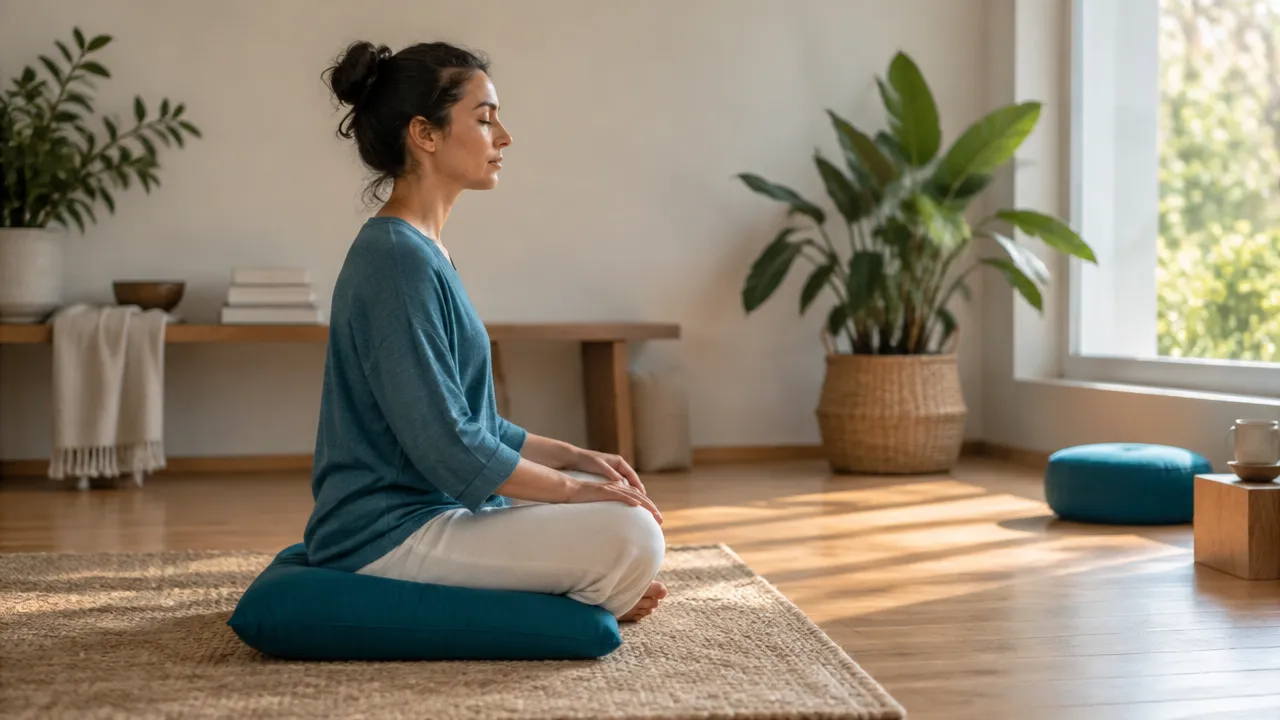
- Choose a steady position. Sit on a chair or cushion with your back comfortably upright. Let your hands rest naturally and keep your eyes closed or softly open.
- Settle with the breath. For a few minutes, notice the natural sensation of breathing. Do not force deeper or slower breaths.
- Notice body sensations. Widen attention to include contact with the seat, warmth, pressure, or tension. Observe what is present without needing to label it as good or bad.
- Recognize reactions. If impatience, planning, or discomfort appears, notice it. Return to a physical sensation or the breath without scolding yourself.
- Close gently. Before standing, notice the room and your posture. Take a moment to choose how you want to carry this attention into the next activity.
Try 10 to 15 minutes at first, and adjust the duration to what feels manageable. If you want a more structured way to notice physical sensations, this guide to body scan exercises offers a related practice. A body scan is one possible tool, not a universal definition of Vipassana.
What happens during a 10-day retreat?
A 10-day residential course is a common introduction to the Goenka method, but it is not the only way to practice insight meditation. Participants typically follow a structured schedule, attend multiple meditation sessions, observe silence for much of the course, and follow ethical guidelines set by the center.
The schedule can be demanding, with long periods of practice and limited contact with the outside world. Accommodation, meals, application requirements, and the exact daily timetable depend on the center and course. Some centers operate on donations, but do not assume that every retreat follows the same arrangements. Review the course tradition and guidelines before deciding whether a residential course suits you.
Silence is intended to reduce ordinary conversation and distractions, not to suggest that participants should ignore serious discomfort. A retreat is a substantial commitment. Consider your health, responsibilities, and readiness for an intensive schedule, and ask the center questions before applying.
What can the practice offer, and what are its limits?
With consistent practice, a person may become more aware of how attention, sensation, and reaction relate. For example, noticing irritation as it develops can make it easier to choose a response instead of speaking automatically. The useful measure is not how calm you feel during a session, but whether awareness supports clearer, more considered choices in daily life.
Meditation is not a guaranteed fix for anxiety, depression, or other health concerns, and it does not remove difficult circumstances. People also respond differently to intensive practice. For a sustainable start, keep sessions modest and connect the practice to everyday self-regulation, such as the approaches in these simple self-regulation exercises.
When should you adapt or pause?
Meditation is not comfortable or helpful for everyone in every moment. Some people experience increased anxiety, distressing memories, or other difficult reactions. The NCCIH overview of meditation safety notes that meditation can have unwanted effects for some practitioners.
If you feel increasingly overwhelmed, open your eyes, notice the room, and stop the session if needed. Shorter practice, movement, or guidance from a qualified teacher may be more appropriate. If meditation significantly affects your mood or ability to function, speak with a mental health professional, especially if you have a history of serious mental health difficulties.
Frequently asked questions
How long is a Vipassana meditation course?
A standard introductory course in the Goenka tradition lasts 10 days, but Vipassana itself has no fixed duration. You can explore a brief home practice in minutes, while residential retreats may be shorter or longer depending on the tradition and center. Check a course’s schedule and requirements before applying.
Can I learn Vipassana meditation on my own?
Yes. You can begin with a short, gentle practice at home, but an introductory routine is not a substitute for instruction in every Buddhist lineage. Start with breath awareness, notice ordinary sensations without forcing a body scan, and seek a teacher or guided course if you want to learn a formal method.
What is Vipassana in Buddhism?
Vipassana is a Buddhist practice of insight, not a single universally standardized technique. In Theravada contexts, it cultivates clear observation of experience; methods can include body sensations, breath, or mental events. Some contemporary courses teach a specific body-scanning sequence, so the method depends on the teacher and lineage.
What does Vipassana meditation do to your brain?
Vipassana does not produce one guaranteed brain effect. Research on meditation examines possible effects on attention, stress, mood, and other outcomes, but it does not establish that every Vipassana course causes a particular brain change. Effects vary by practice and person, so meditation should not be presented as a guaranteed treatment or brain upgrade.
Can Vipassana meditation cause depression?
It can bring up or intensify distress for some people, but it does not inevitably cause depression. If practice worsens your mood or daily functioning, pause or shorten sessions, orient to your surroundings, and seek guidance from a qualified mental health professional or experienced meditation teacher.