

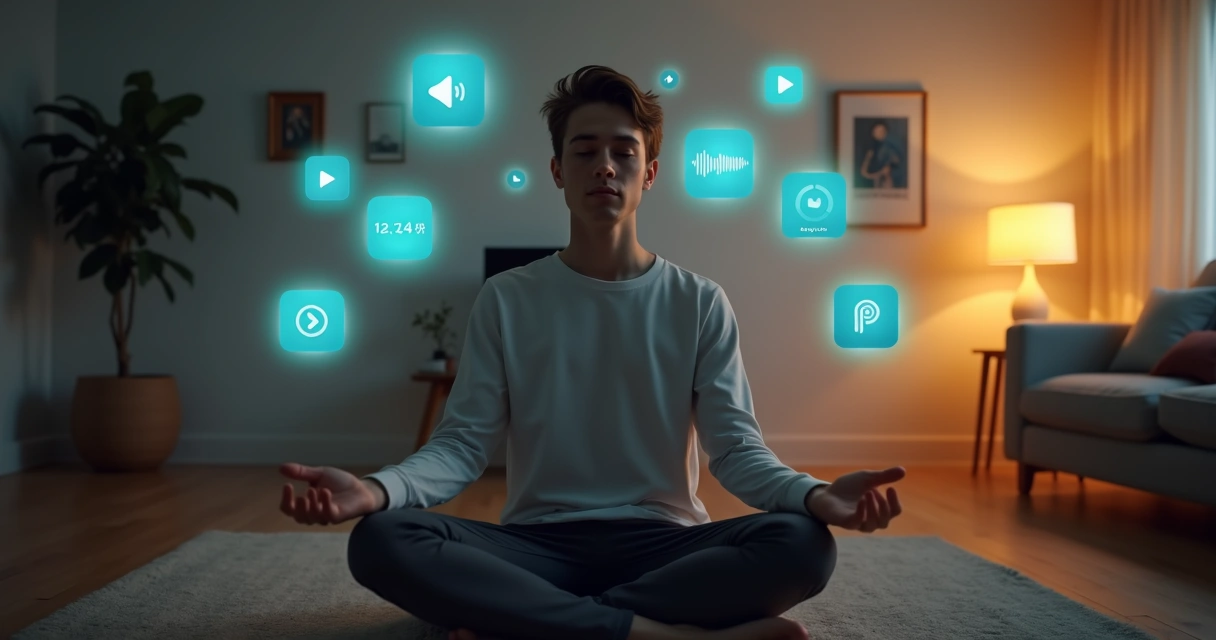
We live in an era when the idea of meditation is just a tap away. The soft glow of our screens, a calm voice, and a gentle chime—these are now the digital gateways to inner peace. Yet, as we listen to the next guided breath, many of us begin to sense an emptiness that technology alone cannot fill. We see thousands of people eager to meditate, but a notable gap exists between simple relaxation and genuine personal transformation.
The promise and the reality of meditation apps
Meditation apps entice us with polished interfaces and promises of calm. They offer an impressive array of features: guided meditations, soothing music, and daily reminders. With just a few taps, anyone can begin. But as elegant as these tools are, we notice many users quietly drop off after a few weeks or months. Why does this pattern repeat so often? What’s missing?
We find it’s easy to start, much harder to continue, and even more difficult to experience deep, lasting change. The missing link is often invisible at first. Over time, though, it becomes clear.
What works for one person may not work for another.
Missing depth: The lack of context and intention
When people first begin to meditate through an app, they are often motivated by stress relief or curiosity. The early sessions feel fresh, but soon, routines become mechanical. Many meditation apps present practices in a one-size-fits-all way, focusing on generalized scripts or brief sessions meant to “fit in your schedule.”
This brevity is not a flaw by itself. The real limitation is the absence of context:
- Why does this specific practice matter right now?
- Is the breathing exercise connected to a broader journey?
- How does today’s session relate to our personal struggles or hopes?
- Is there a story, an ethical foundation, or a set of values behind these techniques?
Meditation is not just about relaxing the mind; it is about understanding ourselves in relation to the world. Without this guiding context, the practice feels shallow. Many users soon sense that meditation apps offer comfort, but not transformation—as if we have been given the surface, but not the depth.
Personalization: Beyond generic sessions
Personal growth happens when we feel seen. Many meditation apps, however, follow a standard structure, offering little personalization beyond letting us pick a session from a list. They do not adapt to who we are or to the changing needs that arise in life’s unique seasons.
What could deeper personalization look like?
- Connecting practices to personal challenges or intentions we share
- Adjusting the language, tone, and pace to fit our emotional state
- Suggesting approaches that evolve as we grow, instead of cycling endlessly through the same handful of audios
- Inviting us to reflect and track our progress—not just badges or streaks, but deeper shifts in mindset
Transformation begins when meditation aligns with our own stories, values, and circumstances. Automation is helpful, but growth is personal. It takes presence and care, not just algorithms.

The missing relational and ethical dimension
Meditation isn’t only an individual act. Throughout history, it has been situated inside traditions, shared intentions, and ethical commitments. Most meditation apps present practices as isolated tools, separated from wider relational or ethical considerations. There is very little guidance about how meditation relates to our connection with others, our sense of responsibility, or our place in the world.
This absence matters deeply. When meditation is stripped of its relational aspect, it risks becoming just another form of self-soothing—pleasant, but disconnected from real life.
- No reminders that our emotions and actions influence others
- Few invitations to reflect on compassion, gratitude, or forgiveness in context
- Rare discussions about how our presence affects our family, colleagues, or society at large
Mindfulness grows richer when we see ourselves as part of a living, interdependent world.
Shortcuts and lack of commitment
Many meditation apps are built on the idea that quicker is better. Short meditations, micro-practices, “in and out” in five or ten minutes. For those who feel overwhelmed, that’s a welcome start. Still, a real meditation practice often asks more of us than a handful of minutes and a checklist of completed sessions.
What’s missing is not only time, but genuine commitment. There’s a temptation for users to treat meditation like another app—download, use, forget. That doesn’t work when what we seek is inner maturity. The result is a superficial engagement: nice background music, but little inner movement. The discipline, patience, and emotional honesty that true transformation requires don’t come from shortcuts or hacks.
Lack of systemic perspective
Most meditation apps focus exclusively on the individual. While our well-being matters, our inner world cannot be fully separated from our relationships, culture, and society. Our actions, thoughts, and emotional states are part of bigger systems that shape—and are shaped by—us.
Users often ask: How do my personal changes affect those around me? Can meditation help me become more thoughtful as a parent, partner, colleague, or citizen?
Unfortunately, meditation apps focus so narrowly on the self that they rarely invite this bigger-picture reflection. This leaves out a vibrant layer of meaning. We miss the opportunity to see ourselves as responsible contributors to a healthier, more connected world.

Integration into daily life is often missing
Practicing meditation in a quiet corner is one thing; carrying mindfulness into our busy schedules is another. We have noticed that most apps do little to help users bridge the gap between peaceful, guided sessions and the reality of work, family, and society. Guided practices end, but their lessons do not easily follow us back into daily challenges and relationships.
Real meditation creates shifts that show up in how we listen, speak, make decisions, and relate to the world around us. When apps don’t address this integration, users often wonder why progress stalls.
The missing encouragement for self-reflection
Meditation is not just a passive process. The greatest growth happens when we are invited to look at our thoughts and actions honestly, question our habits, and celebrate our shifts. Too often, meditation apps limit user engagement to logs and reminders, rather than true self-reflection. Important moments of insight—“Ah, that’s how I react when I’m stressed”—stay hidden in the background.
Insight does not come from repetition alone; it comes from mindful reflection.
The result: the journey remains unfinished, and the lessons can become foggy instead of clear.
Conclusion: Why filling these gaps matters
In our experience, meditation can bring lasting calm, self-awareness, and growth. But for this to happen, the practice must go beyond what is currently common among meditation apps. Real transformation needs:
- Depth and context—so we feel the meaning behind each session
- Personalization—so the practice aligns with our life
- Ethical and relational dimensions—so we connect to the world around us
- Commitment, not shortcuts—so growth becomes sustainable
- A systemic view—so we understand the ripple effects of our awareness
- Integration into everyday life—so we carry presence beyond the cushion
- Encouragement for self-reflection—so we recognize and nurture real change
What’s missing in most meditation apps is not more features, but more humanity. As meditation journeys mature, we believe they should invite us to do the same—deeply, honestly, and together with others.
Frequently asked questions
What is missing in meditation apps?
Most meditation apps miss depth and personal context, often focusing mainly on surface-level relaxation rather than supporting true personal transformation and integration into daily life. They tend to lack personalized guidance, ethical context, meaningful reflection, and a systemic approach connecting users to a wider world.
How can missing features affect meditation?
Missing features can make meditation feel shallow, repetitive, or disconnected from the real issues people face. When apps ignore personalization, context, and ethics, users may lose motivation, struggle to progress, or fail to apply mindfulness beyond the session, which limits the benefits of their practice.
Are meditation apps worth using?
We think meditation apps can be helpful for introducing the practice and making it accessible, especially for beginners. However, without depth and integration into everyday life, users are less likely to see deep or lasting change.
What makes a good meditation app?
A good meditation app offers more than basic guidance—it provides personal context, adapts to individual progress, encourages reflection, integrates ethical and relational dimensions, and helps bring mindfulness into daily life.
How to choose the best meditation app?
We recommend considering whether the app offers tailored guidance, opportunities for true reflection, and connections to real-life situations. Look for features that go beyond just tracking or quick sessions, supporting both inner growth and connection with others.