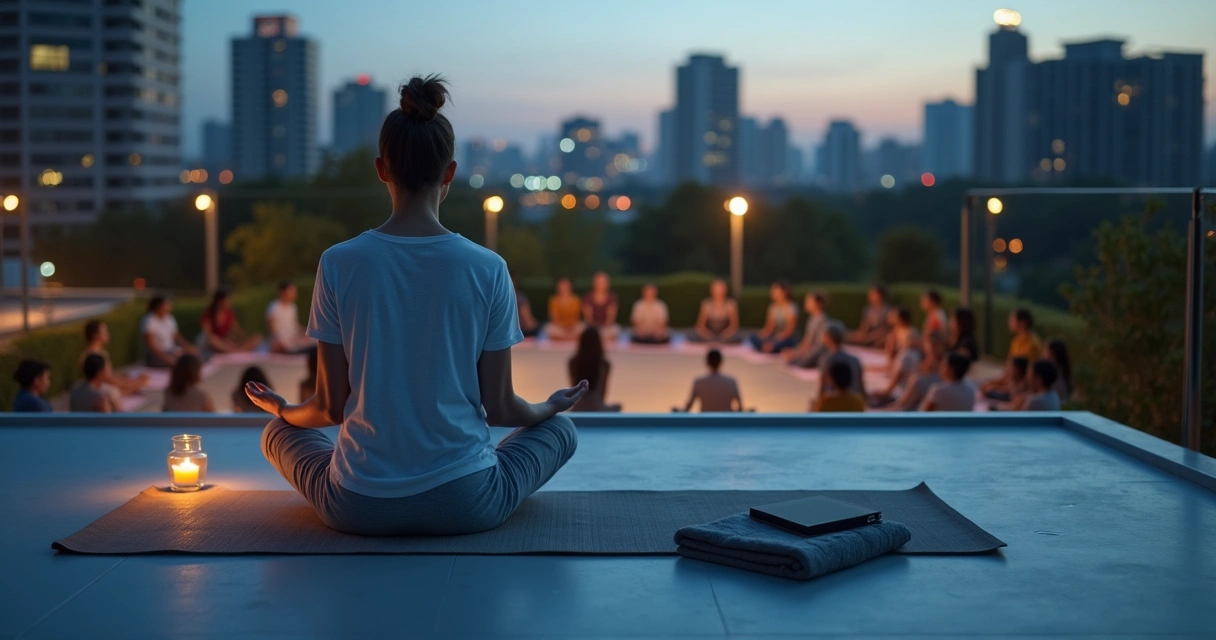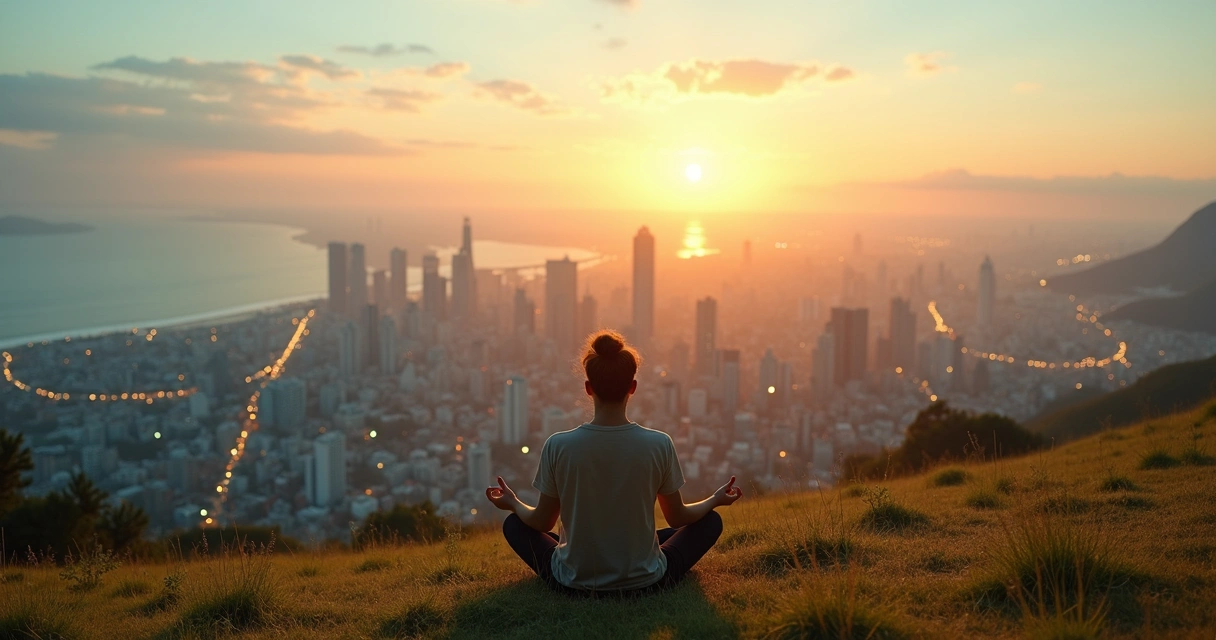

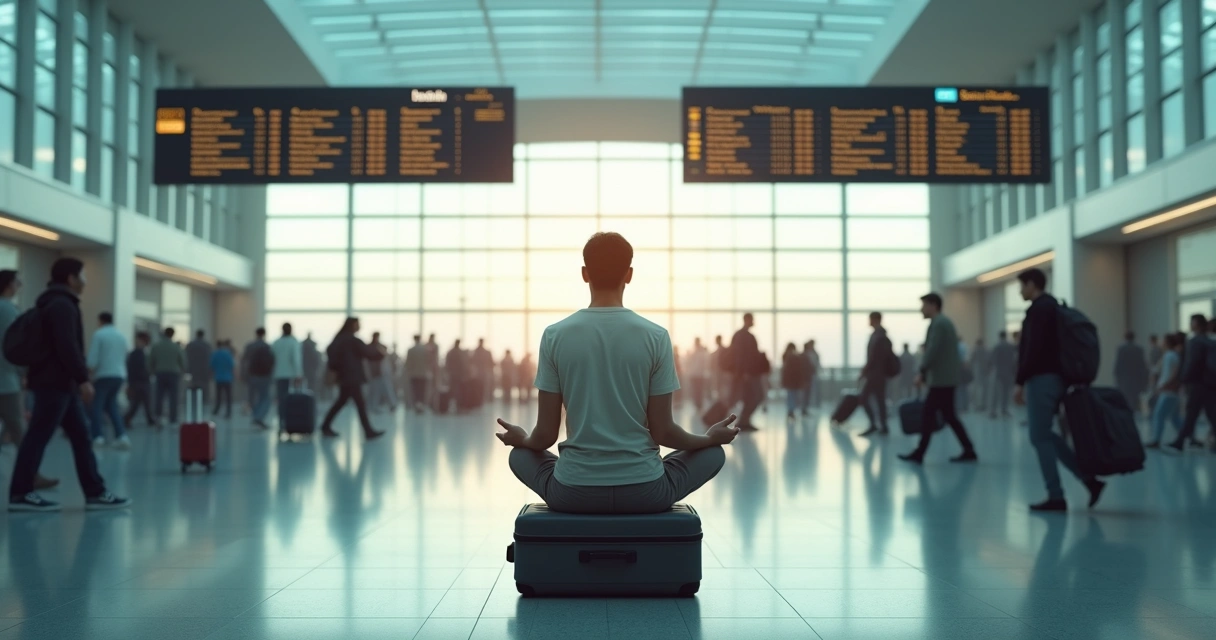
Human movement is shaping this century in plain sight. People relocate because of war, climate pressure, rising costs, work shifts, family needs, or the search for safety. Some moves are chosen. Others are forced. In both cases, the inner impact can be deep.
We see this clearly in global mental health data. A recent fact sheet on refugee and migrant mental health reports 123.2 million forcibly displaced people worldwide and shows higher rates of depression, anxiety, PTSD, psychoses, and suicide among refugees and migrants than in host populations. Those numbers are large, but the human feeling is often simple. A person leaves one place and has not yet landed in another.
Mindfulness helps us stay present when life changes faster than our sense of identity.
When we talk about planetary migration trends, we are talking about more than borders. We are talking about language shifts, cultural contact, shared stress, mixed loyalties, and the need to rebuild daily life with care. Mindfulness does not erase pain or solve legal, social, or economic barriers. Still, it gives us a way to meet change without being consumed by it.
Why migration feels so hard on the mind
Relocation can break routines that once kept us stable. The grocery store is new. The jokes sound different. Even silence feels unfamiliar. We may smile in public and feel lost in private.
There is also the pressure to adapt fast. Many people feel they must prove they belong, stay grateful, work harder, and hide grief. That inner split creates strain.
We can move our body before our mind catches up.
Mindfulness gives us a way to notice that gap. Instead of judging our confusion, we learn to observe it. That small shift matters. Once we can name what is happening inside, we are less likely to be driven by fear, numbness, or constant alertness.
Research points in that direction. A 2025 review of mindfulness-based interventions in refugee and migrant groups found lower PTSD, depression, anxiety, and hyperarousal, along with gains in emotion regulation, self-compassion, and self-efficacy. We find that result encouraging because migration is not only an outer event. It is also an inner transition.
What mindfulness means in this context
Mindfulness is the practice of paying attention to the present moment with openness and less judgment. In migration, that means noticing thoughts, body signals, memories, and emotions as they arise, instead of instantly reacting to them.
In times of relocation, mindfulness is not about feeling calm all the time. It is about staying aware enough to respond with care.
This may sound small, but it changes daily life. A mindful pause can stop an argument at home. It can soften panic before a public appointment. It can help us hear a new language without shutting down. We become less mechanical and more grounded.
We once heard a person describe it in a very honest way. “I still miss home every day. But now I notice the ache before it becomes anger.” That is mindfulness in practice. Not perfection. Presence.
How to build a mindful migration practice
It helps to keep the practice simple. During major change, simple methods are more likely to stay with us.
We suggest building mindfulness into ordinary moments:
Pause before entering a new place and take three slow breaths.
Notice five things you can see when anxiety rises in public.
Place one hand on the chest and one on the belly when homesickness feels sharp.
Name feelings with plain words such as fear, grief, tension, hope, or confusion.
Observe body reactions during paperwork, travel, or difficult calls without fighting them.
End the day by writing one hard moment and one steady moment.
These acts work because they reconnect attention to the body and the present. When we do that, stress does not vanish, but it becomes easier to hold.
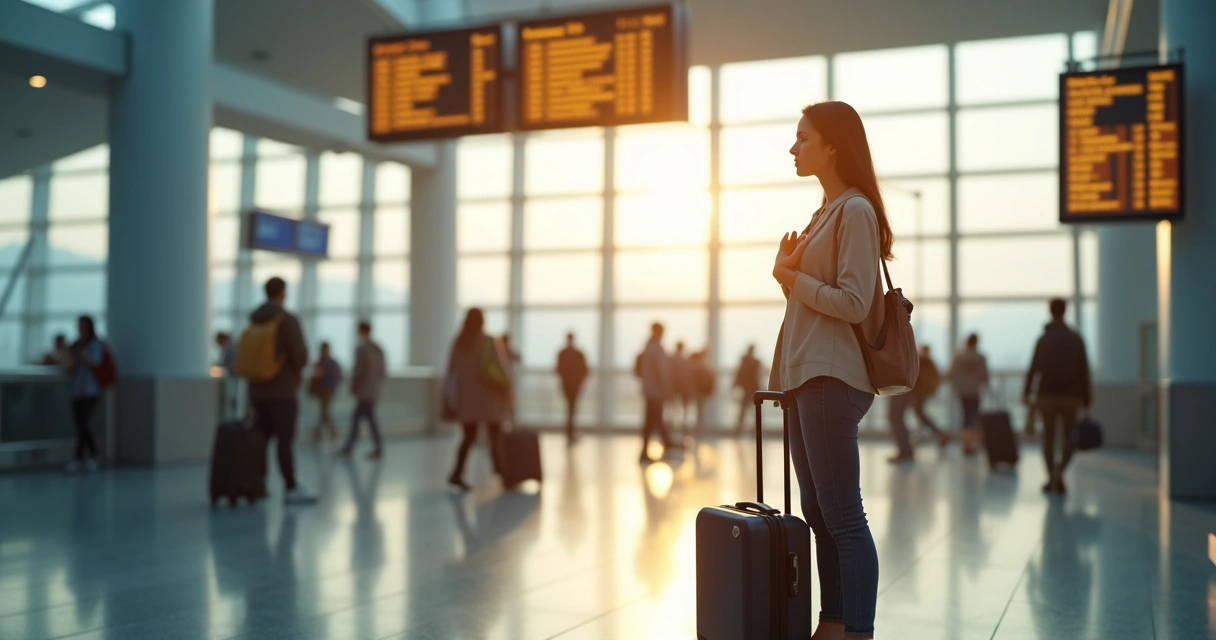
Mindfulness for identity, belonging, and change
One hidden challenge in migration is identity strain. We may ask ourselves hard questions. Who are we here? Which parts of us stay the same? What should we keep, and what must change?
Without awareness, this tension can turn into shame or emotional isolation. With mindfulness, we can sit with the questions without rushing to fix them.
A useful reflection practice is to check in with three layers of experience:
What am I feeling in my body right now?
What story am I telling myself about this moment?
What kind response would help me today?
This structure helps us separate sensation from interpretation. A racing heart does not always mean danger. A language mistake does not mean failure. A lonely day does not mean we do not belong anywhere.
Mindfulness creates space between what happens and the meaning we attach to it.
That space is where adaptation becomes healthier. We do not lose our past. We learn to carry it with less internal conflict.
Using mindfulness in communities under pressure
Migration is not lived by isolated minds. Families, neighborhoods, schools, and workplaces all absorb the strain. One person’s stress can affect many others.
That is why mindful adaptation should include relationships. We can bring presence into shared life through small habits:
Start family talks with one minute of silence before discussing hard topics.
Listen without interrupting when someone describes culture shock or grief.
Repeat back what you heard before offering advice.
Create regular meal or tea times without phones to rebuild rhythm and trust.
These gestures may look ordinary. They are not. They restore dignity in moments when people often feel reduced to documents, labels, or survival tasks.
We also think mindfulness helps host communities. When residents meet newcomers with less fear and more attention, contact becomes more human. Planetary migration trends ask for emotional maturity on all sides, not just endurance from those who move.
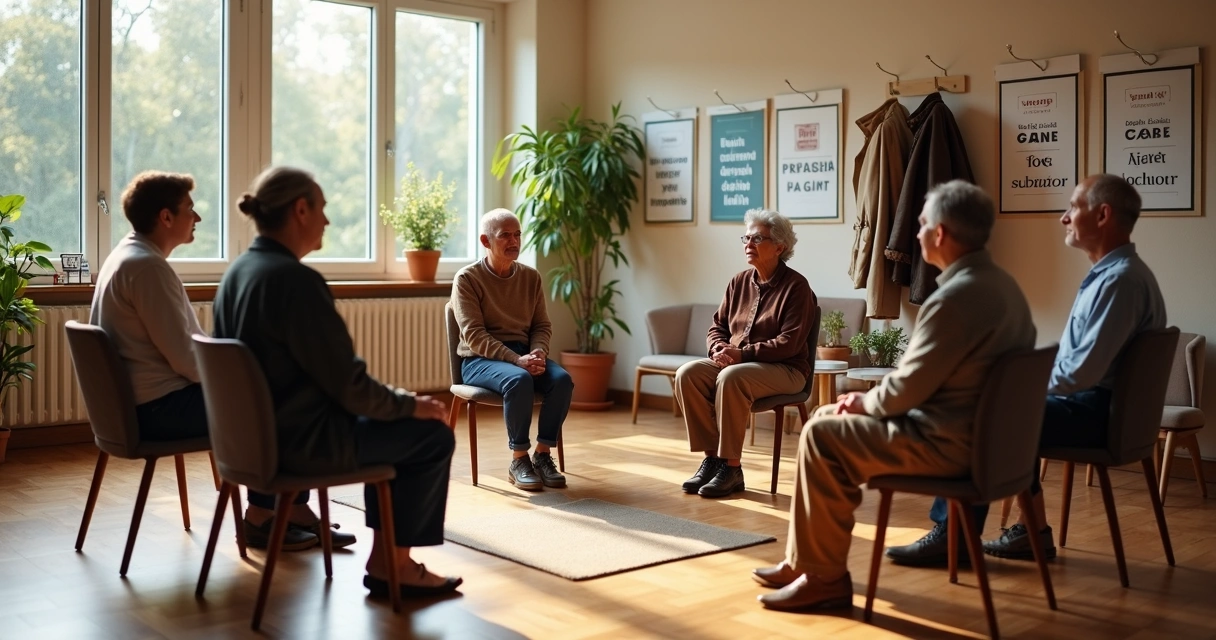
When mindfulness needs support from others
Mindfulness is helpful, but it is not a substitute for social care, legal protection, housing, or mental health support. Some forms of trauma are too intense to process alone, especially after forced displacement, violence, or repeated loss.
If practice leads to panic, dissociation, or unbearable memories, the wiser path is guided support. In our view, mindfulness works best when paired with safety, structure, and trusted relationships.
This is not a sign of weakness. It is honest self-respect.
Conclusion
Planetary migration trends are changing how people live, relate, and make meaning. Behind every statistic, there is a nervous system trying to settle in unfamiliar ground. Mindfulness gives us a humane way to meet that reality.
It helps us slow the rush of fear. It helps us notice grief without drowning in it. It helps us adapt without erasing who we are. When practiced with patience, mindfulness turns migration from pure disruption into conscious transition.
We believe this matters now more than ever. The world is moving. Inner steadiness must move with it.
Frequently asked questions
What is mindfulness in planetary migration?
Mindfulness in planetary migration is the practice of staying aware of thoughts, emotions, and body sensations during large life changes linked to movement across places, cultures, or borders. It helps us respond to change with more clarity and less automatic stress.
How can mindfulness help with moving?
Mindfulness can help with moving by calming the body, reducing mental overload, and making space for better choices. It supports us when routines break, paperwork piles up, and emotions become mixed. Even short breathing pauses can help us feel more present.
Is mindfulness useful during relocation stress?
Yes, mindfulness is useful during relocation stress because it helps us notice anxiety, grief, and confusion before they take over. It does not remove every problem, but it can lower reactivity and improve emotional balance during uncertain periods.
How to practice mindfulness while migrating?
We can practice mindfulness while migrating through short daily actions such as breathing slowly before appointments, noticing body tension during travel, naming emotions without judgment, and writing brief reflections at night. Simple and repeatable methods tend to work best.
What are the benefits of mindful migration?
The benefits of mindful migration include better emotion regulation, less overwhelm, more self-compassion, and a steadier sense of identity during change. It can also improve relationships, since mindful people often listen better and react with more care.